
Tropical Plant Care Guides
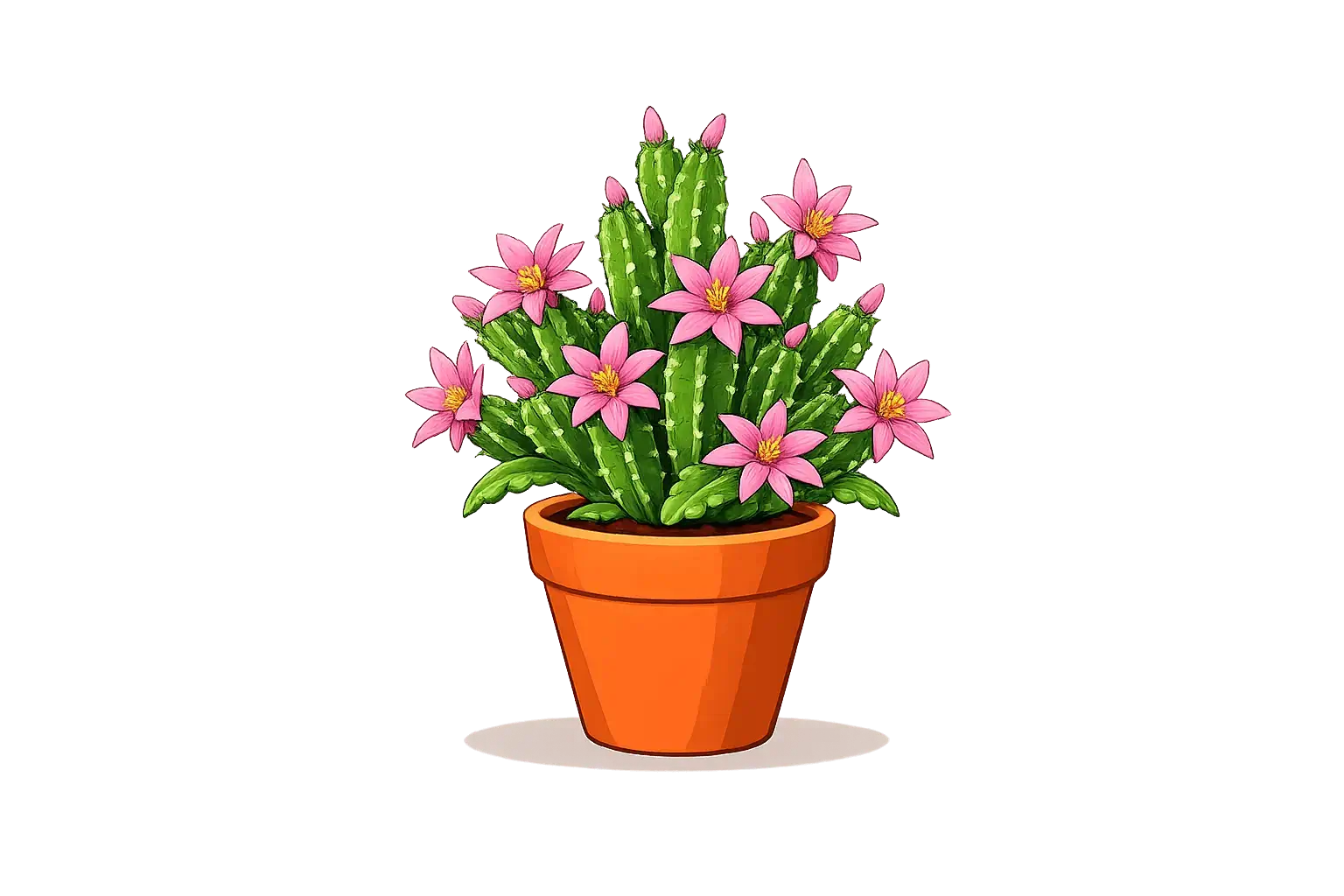
Easter Cactus
A spring-blooming forest cactus from the Brazilian rainforest that rewards a short winter cool-down with weeks of vivid, star-shaped flowers in pink, red, or orange.
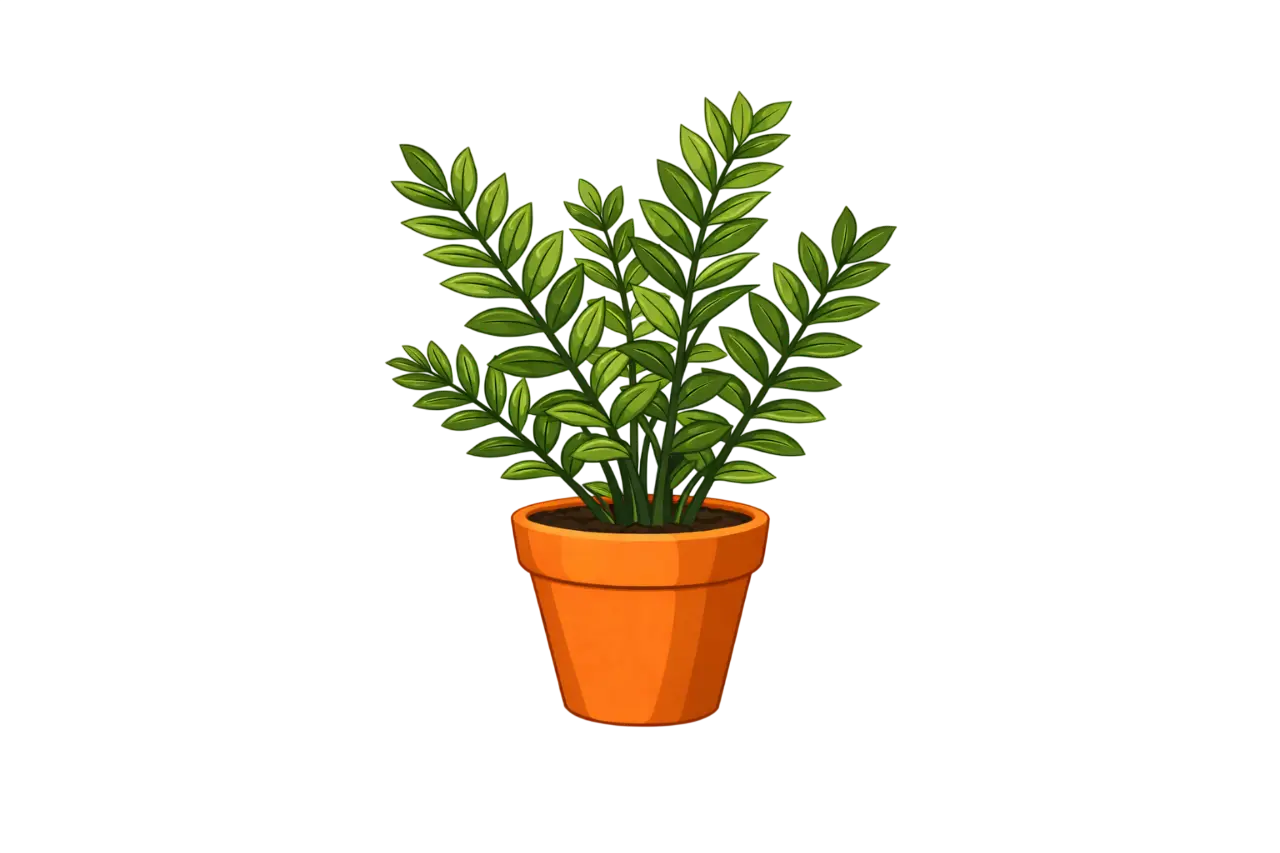
ZZ Plant
An East African aroid that switches to desert metabolism when you forget to water it. The ZZ Plant stores water in rhizomes, grows very slowly, and drowns if you treat it like a tropical.
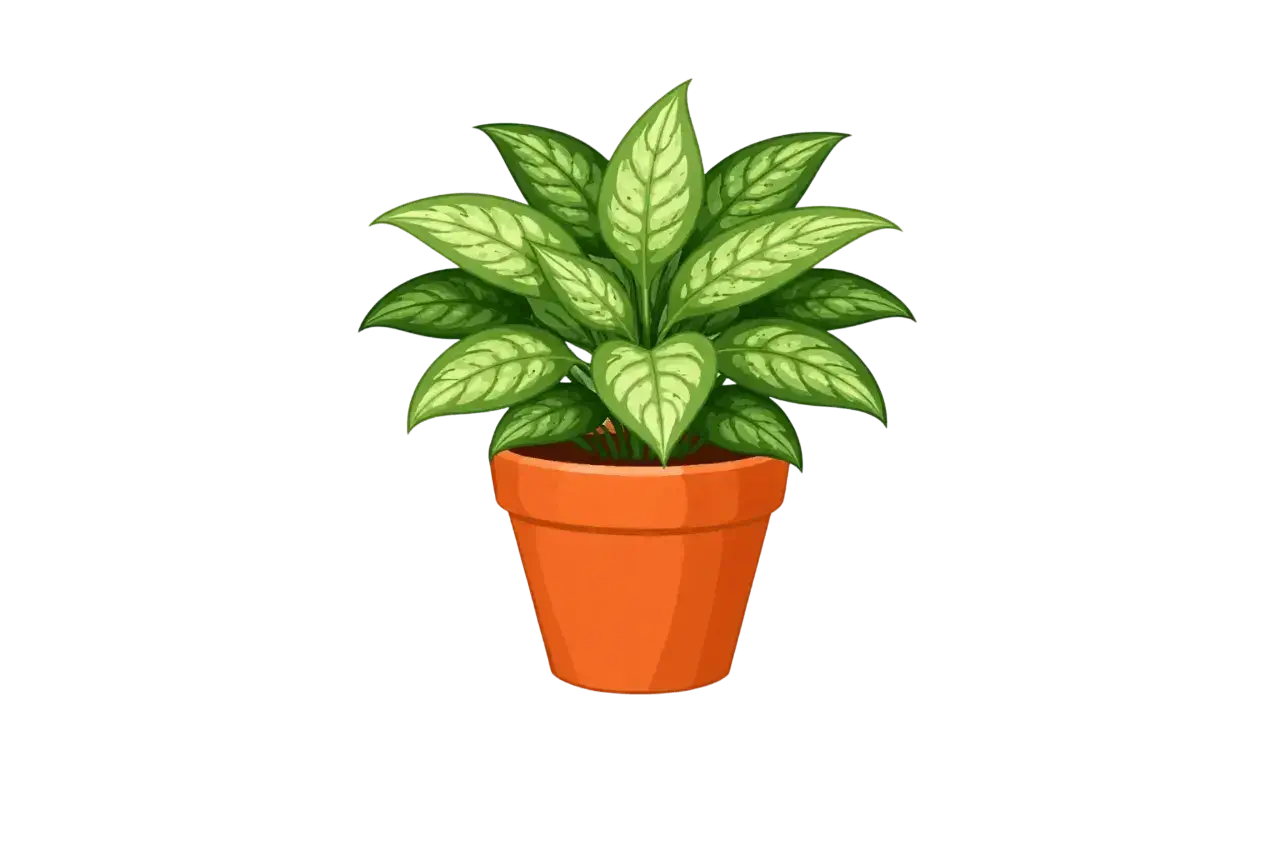
Chinese Evergreen
A Philippine understorey aroid that handles deep shade better than almost any houseplant, and takes cold damage at temperatures most tropicals shrug off.
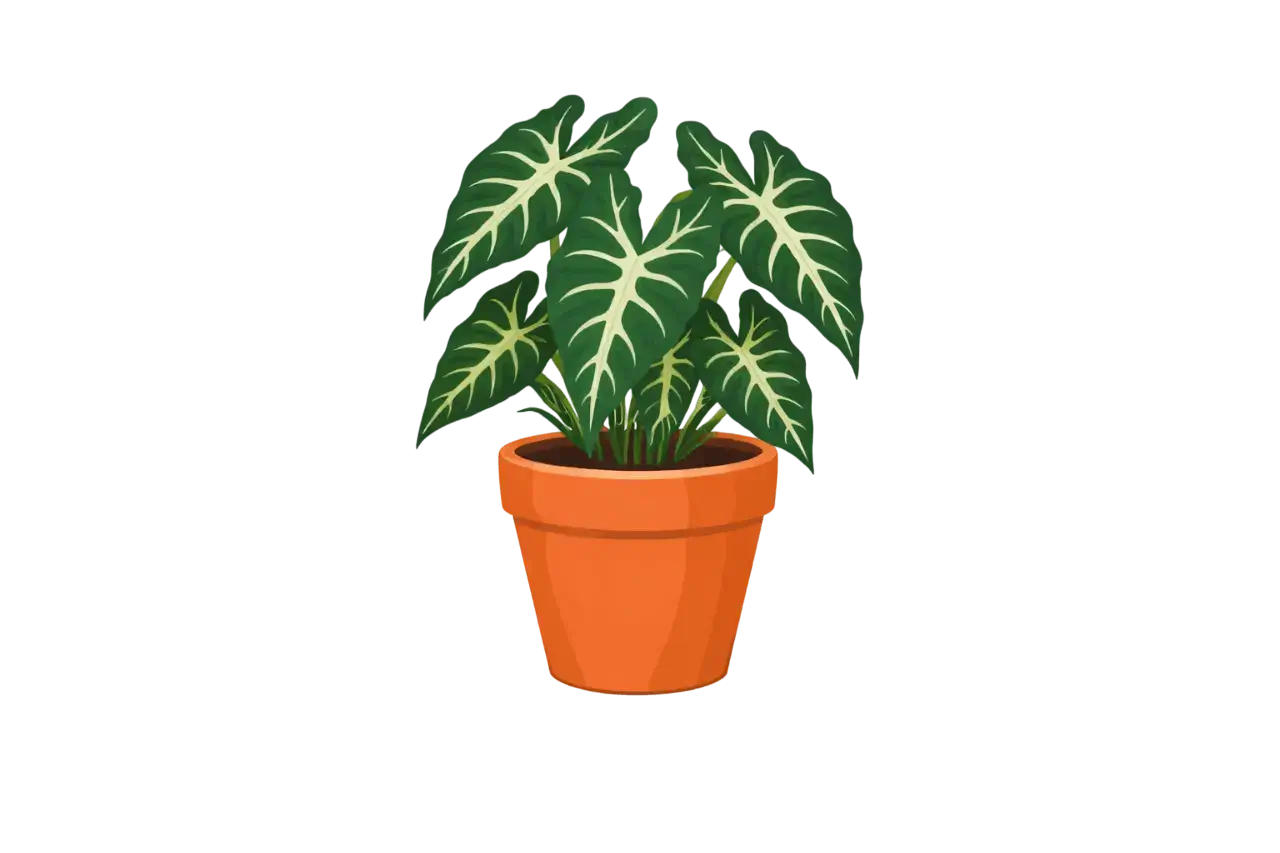
African Mask Plant
A nursery hybrid with arrowhead leaves to 16 inches, white veins and purple undersides. Nothing about the African Mask Plant is African, and the name has nothing to do with the Amazon either.
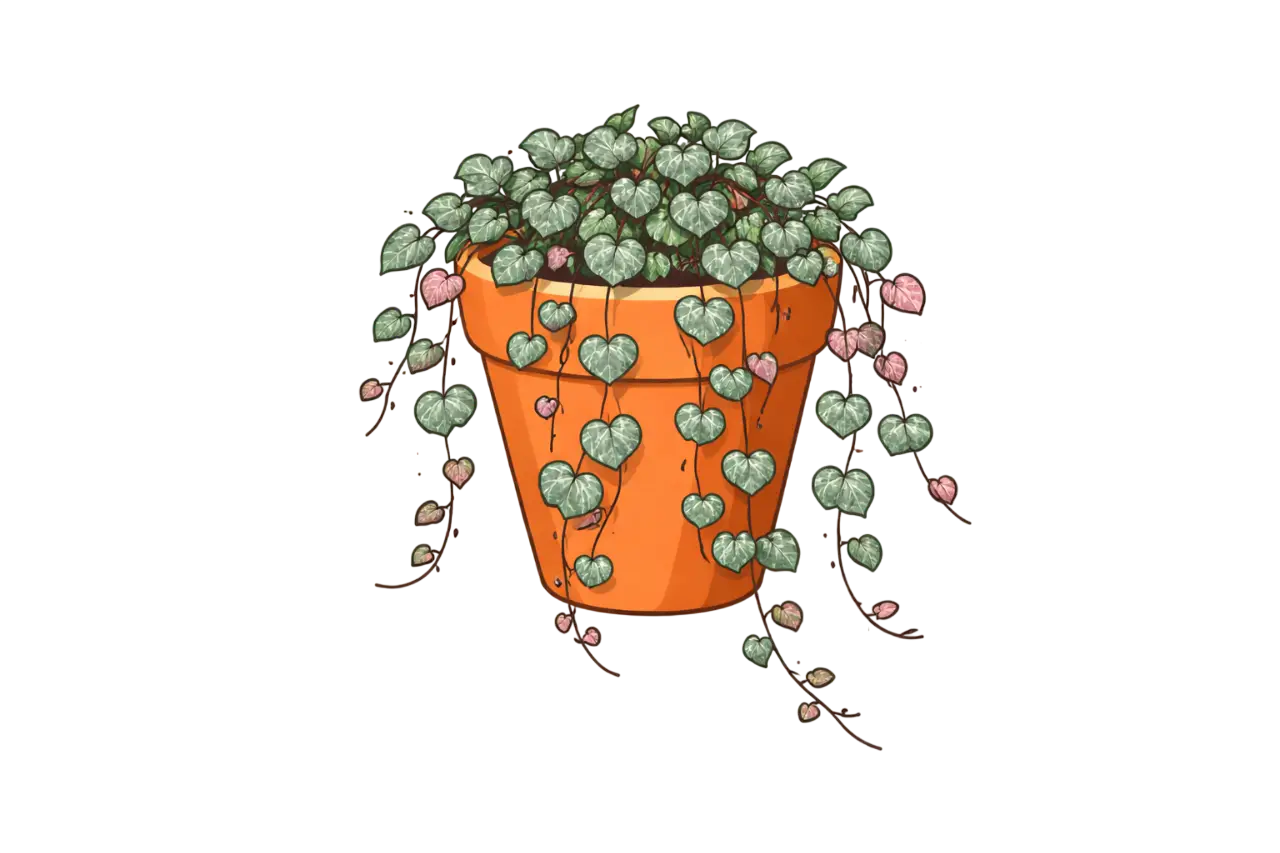
Heartleaf Philodendron
A vining tropical from Central America with heart-shaped leaves that grows faster than most beginners expect. Heartleaf philodendron tolerates low light, propagates in a glass of water, and produces noticeably larger leaves when given something to climb.
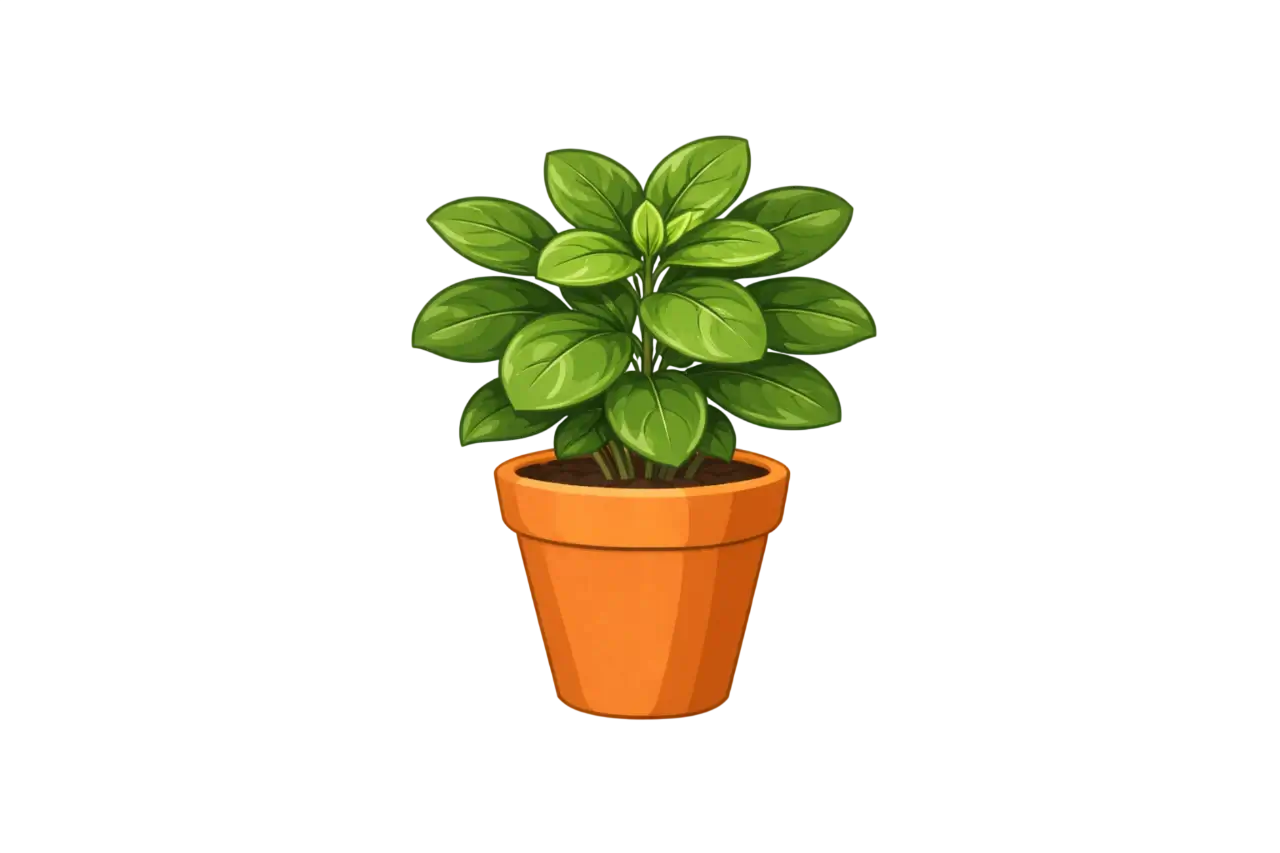
Baby Rubber Plant
A compact tropical American peperomia whose thick leaves are three quarters water-storage tissue. Peperomia obtusifolia drowns long before it dries, and it wants no extra humidity at all.
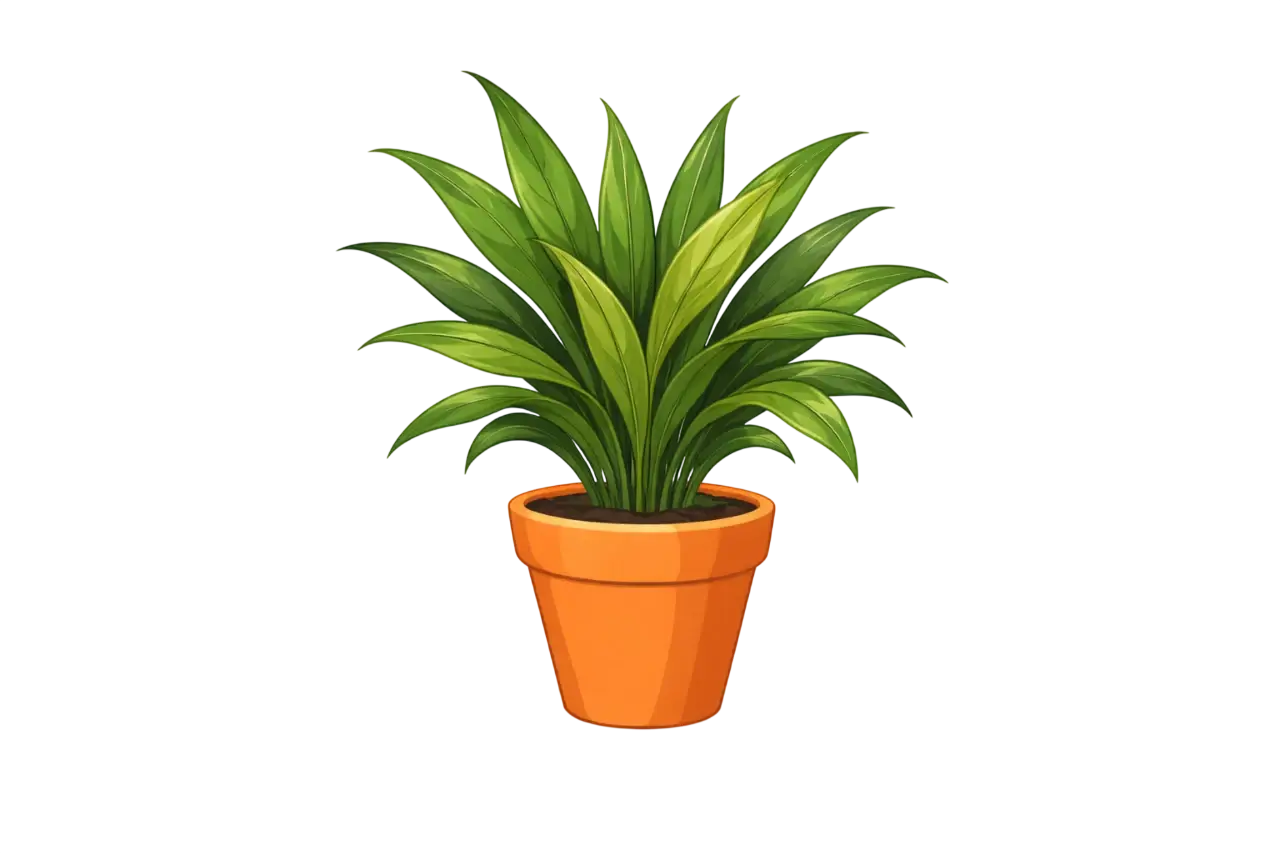
Cast Iron Plant
A rhizomatous Japanese woodland perennial that holds on in light almost nothing else will take. The Cast Iron Plant grows slowly by nature, and overwatering is the most reliable way to kill it.
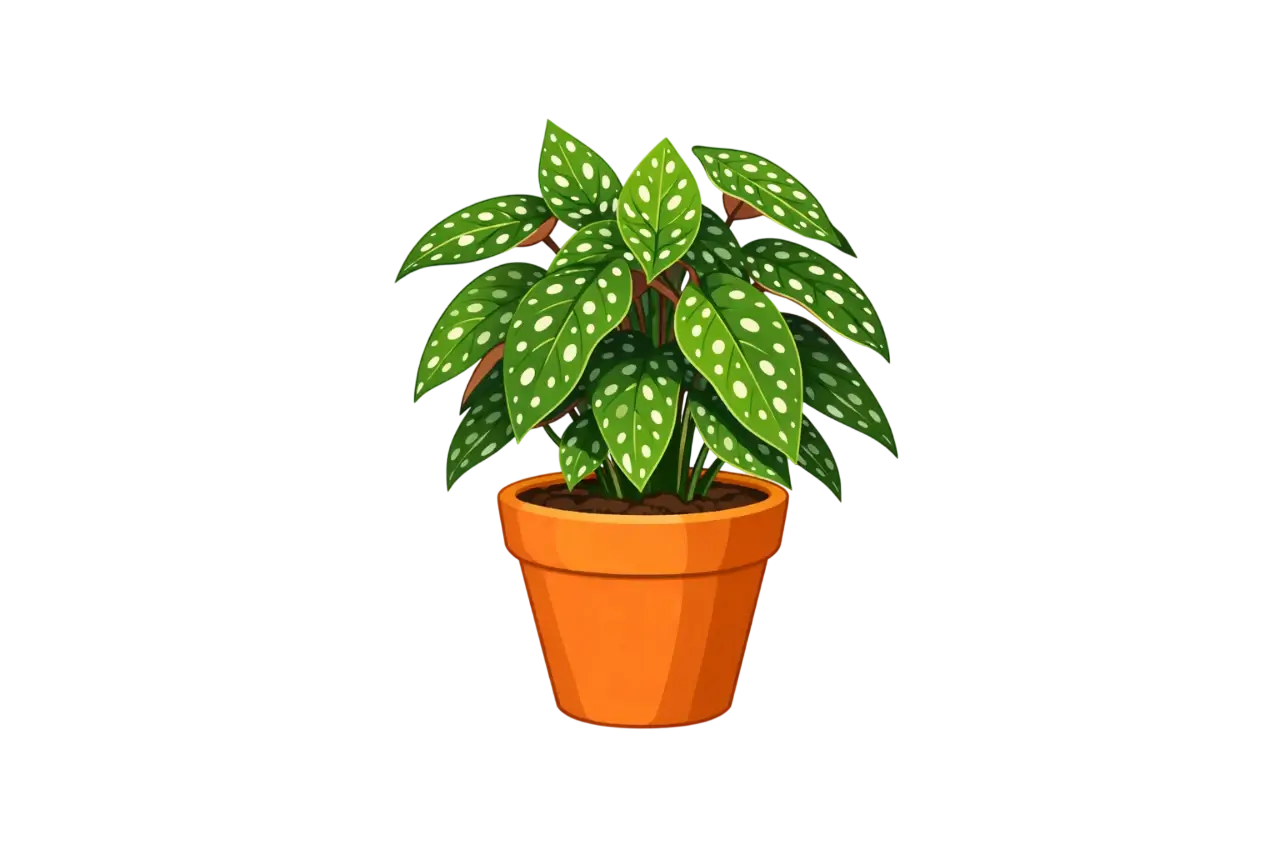
Polka Dot Begonia
A cane begonia from the Brazilian Atlantic forest, silver-spotted above and maroon beneath. It wants humid air and dry leaves at the same time, and that contradiction is what kills most of them.
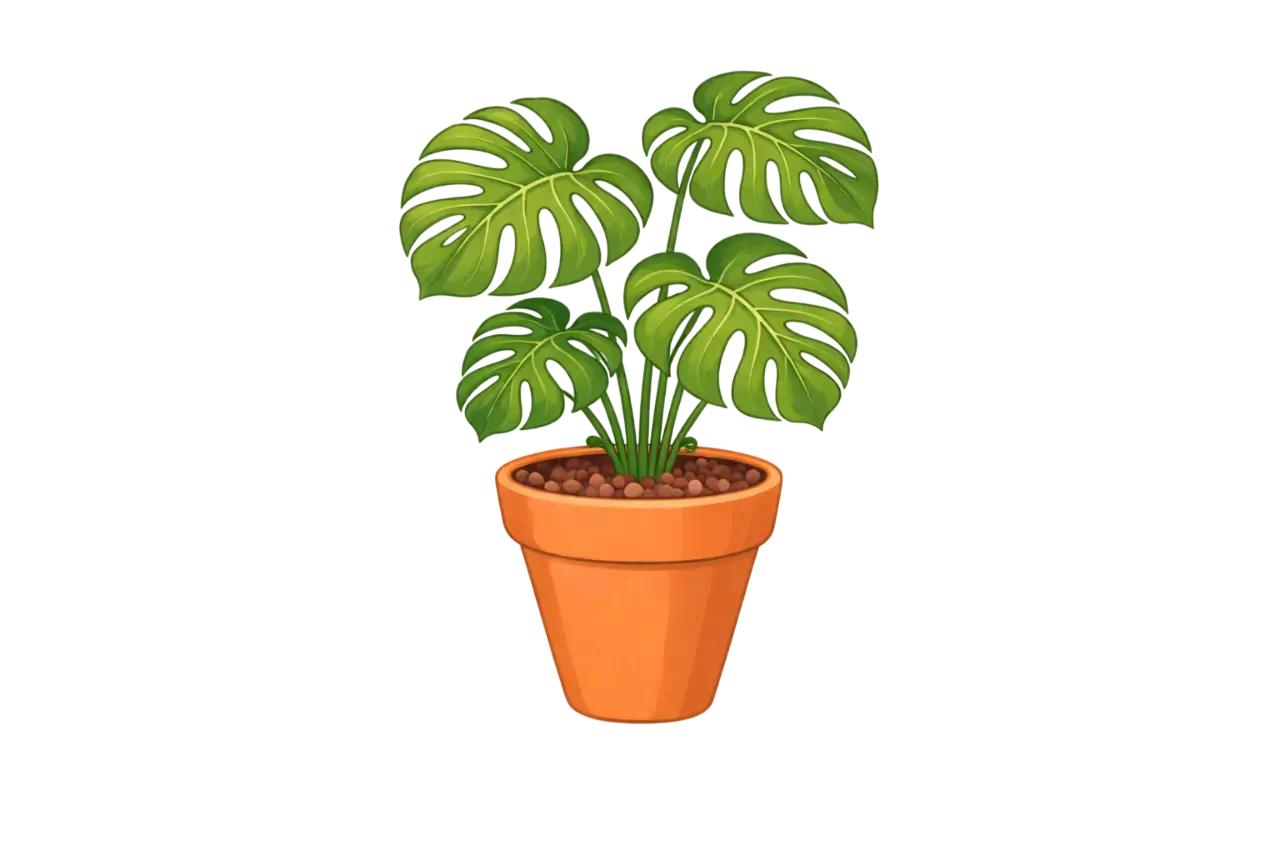
Swiss Cheese Plant
A bold tropical houseplant known for its dramatic split leaves. Monstera deliciosa brings instant jungle vibes and grows into a striking statement piece with the right care.
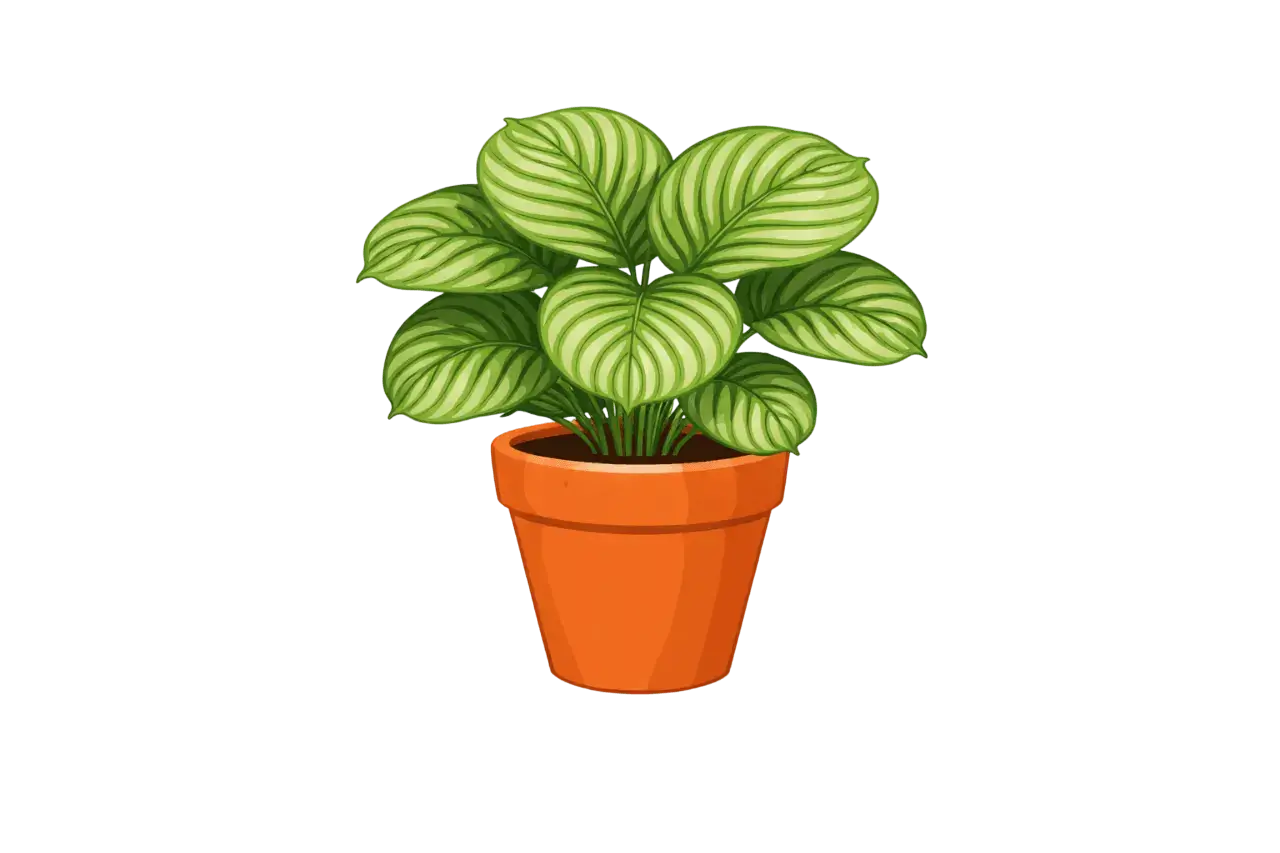
Calathea Orbifolia
A Brazilian Marantaceae with foot-wide silver-striped leaves, and a humidity floor the RHS thinks needs a greenhouse. Water quality matters here as much as watering.
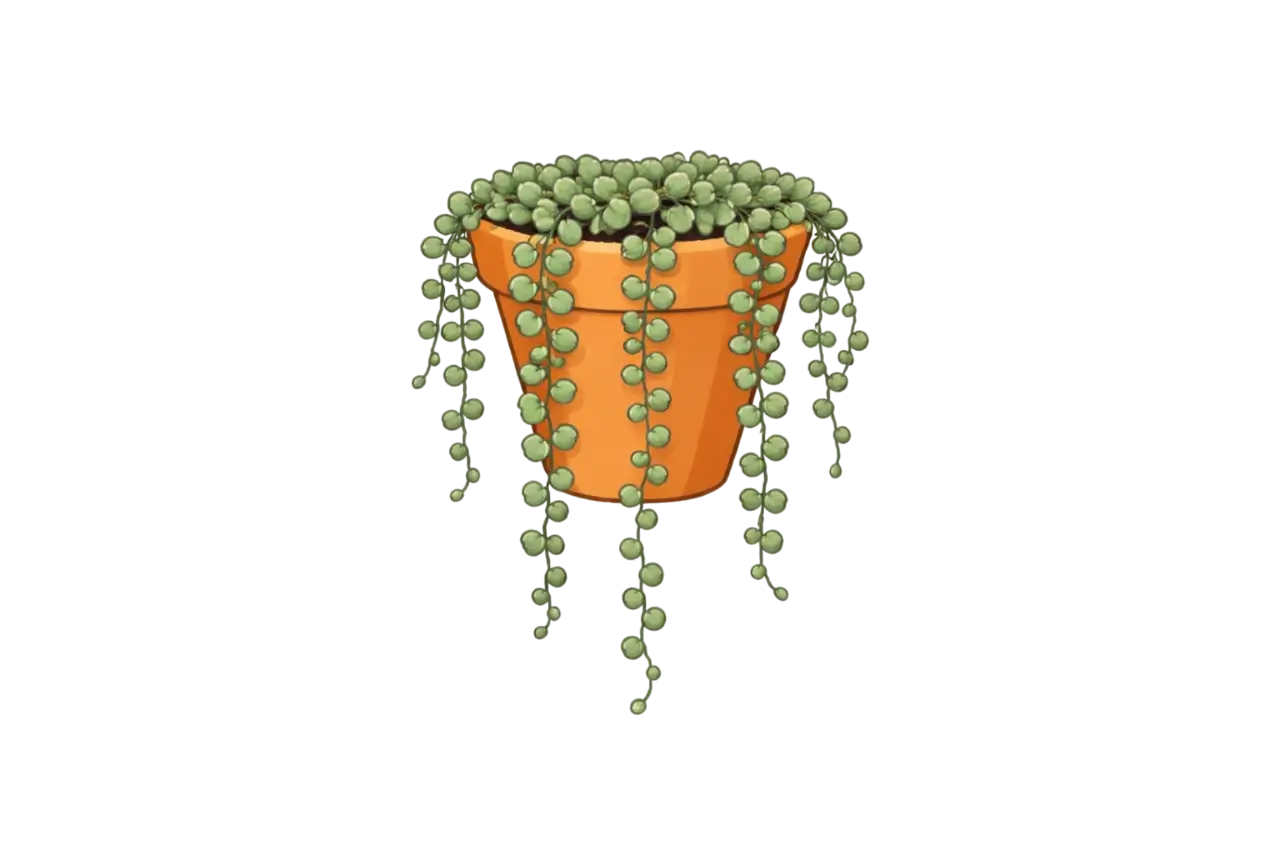
String of Turtles
A tiny trailing plant with intricate leaf patterns that resemble turtle shells. String of Turtles is a charming, pet-safe option for bright indoor spaces.
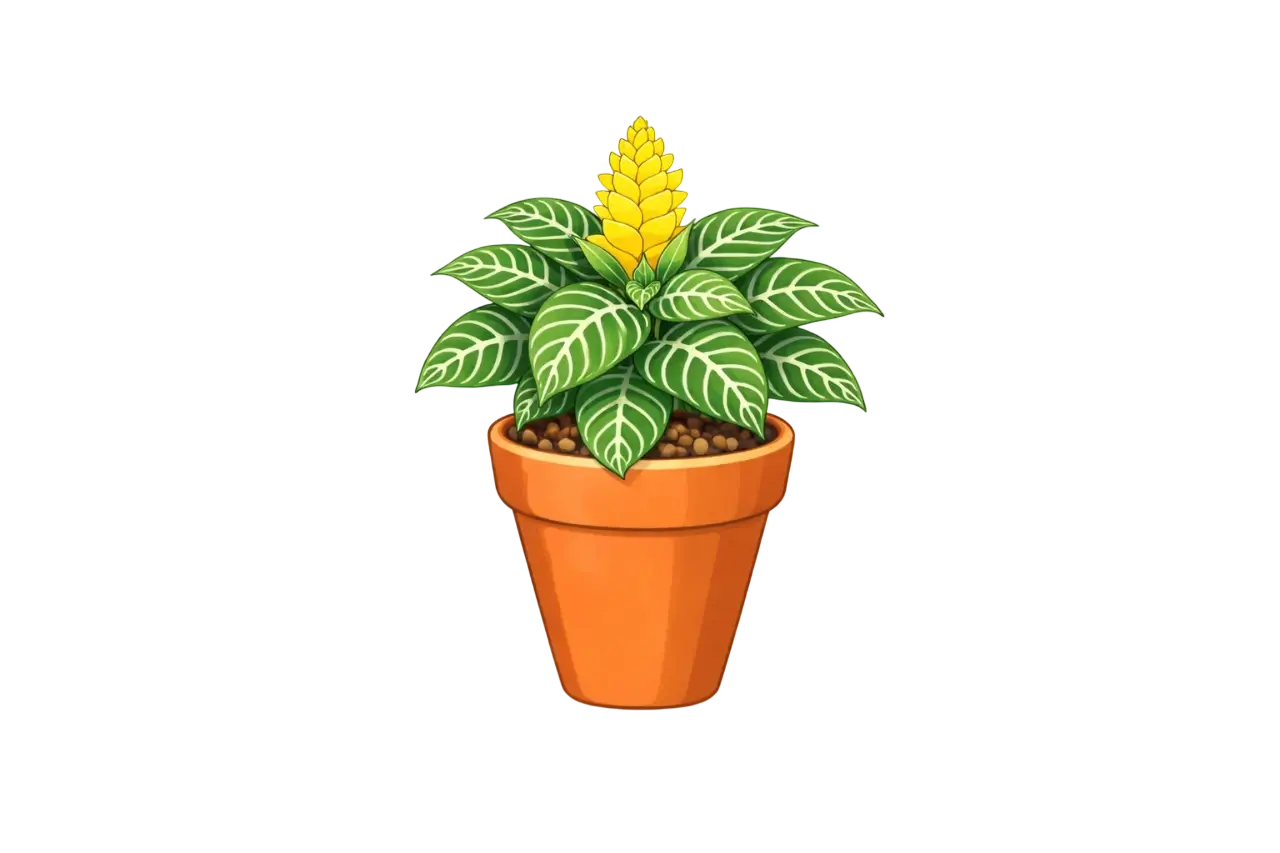
Zebra Plant
A striking houseplant known for its bold green leaves with white veins and occasional yellow flowers, the Zebra Plant adds a tropical flair to indoor spaces.

Bird’s Nest Fern
Learn how to grow a Bird’s Nest Fern indoors. Complete care guide with watering, light, humidity tips, common problems, and FAQs for Asplenium nidus.
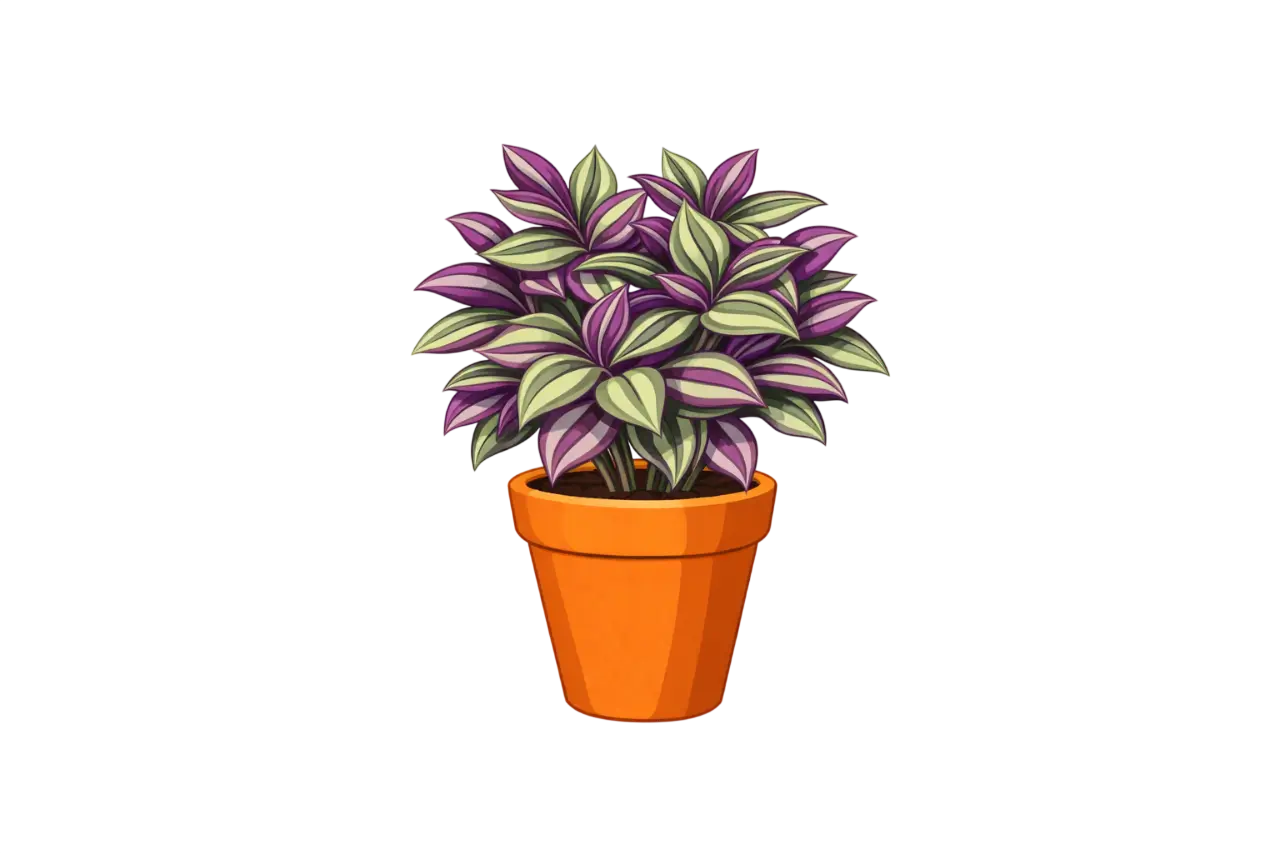
Inch Plant
A fast trailing spiderwort from Mexico to Colombia, silver-striped above and deep magenta beneath. Known for years as the wandering jew, a name the horticultural world has now dropped.
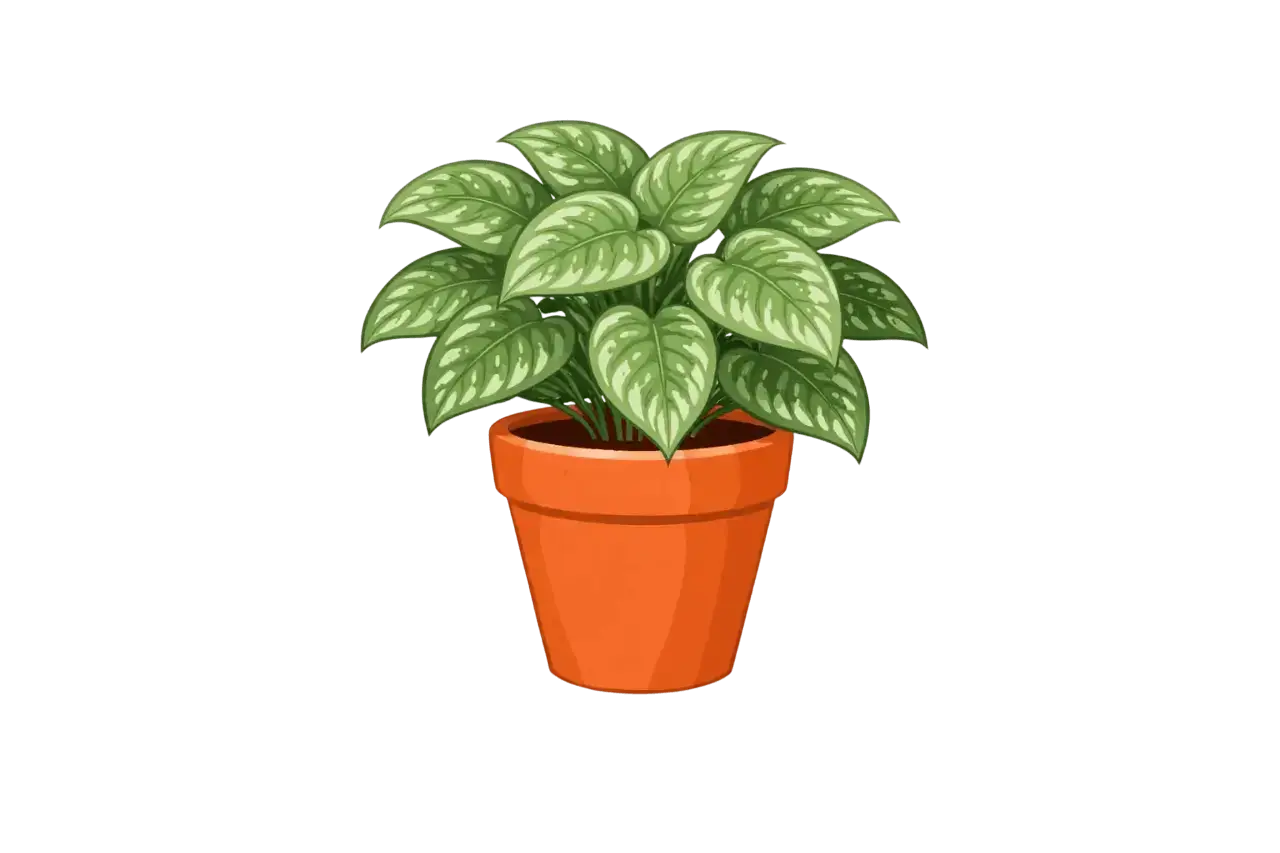
Satin Pothos
A slow-growing Southeast Asian climber with silver-blotched leaves that stay whole however well you grow it. Scindapsus pictus wants pothos care at half the pace.
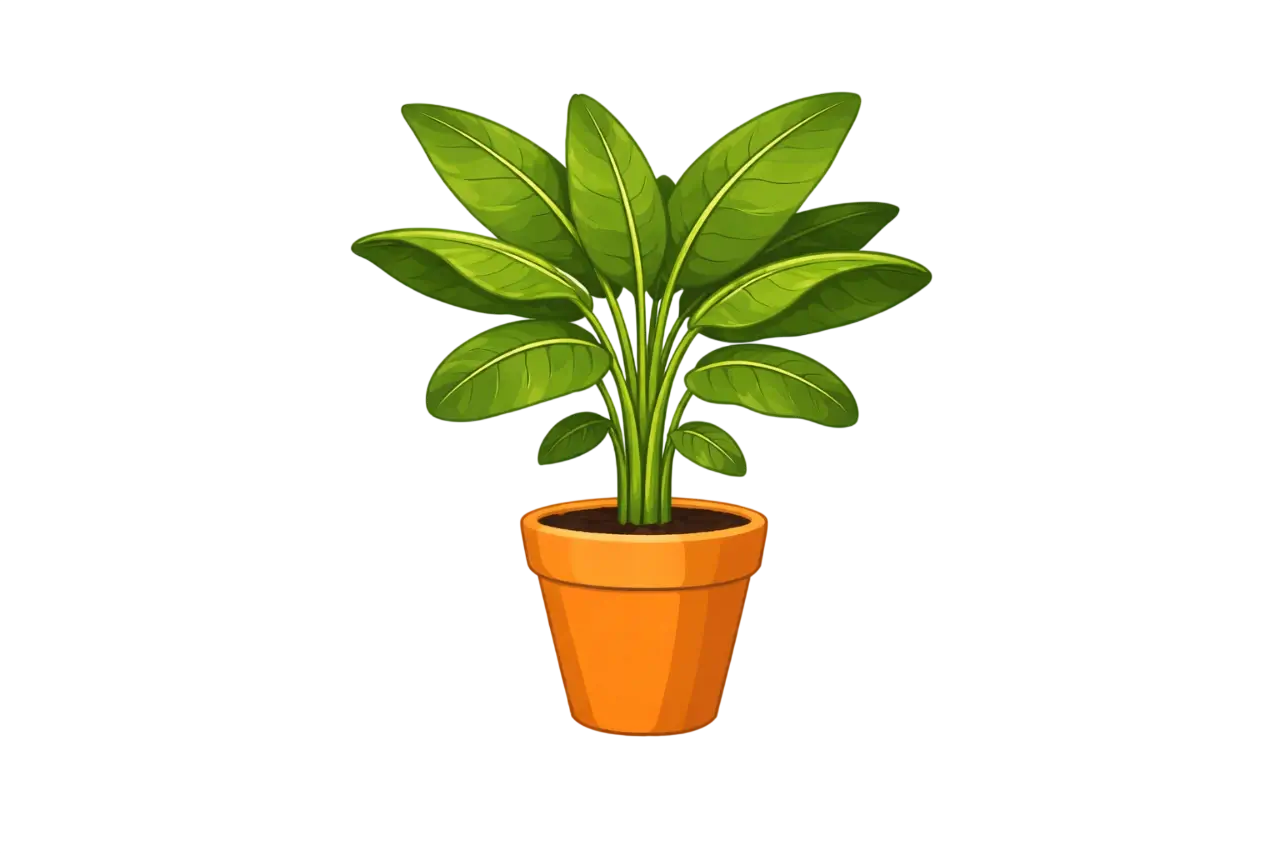
Dwarf Cavendish Banana
A fast-growing tropical that can push out a new leaf every week in the right conditions. Dwarf Cavendish banana needs bright direct light, heavy watering, and regular feeding to keep up with its own growth rate.
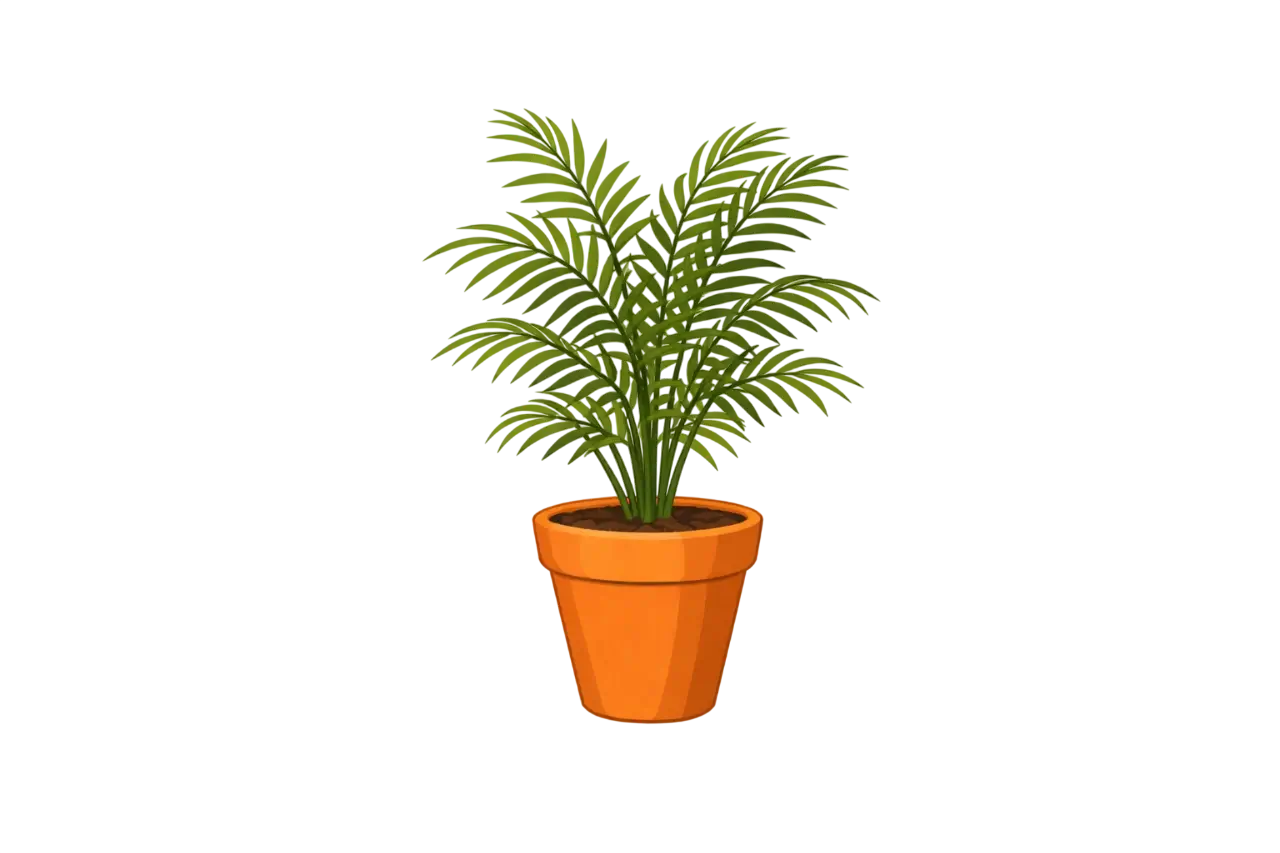
Parlor Palm
A slow Central American understorey palm that NC State rates for deep shade and the ASPCA lists as non-toxic to cats and dogs. One of the few palms a dim room will not defeat.
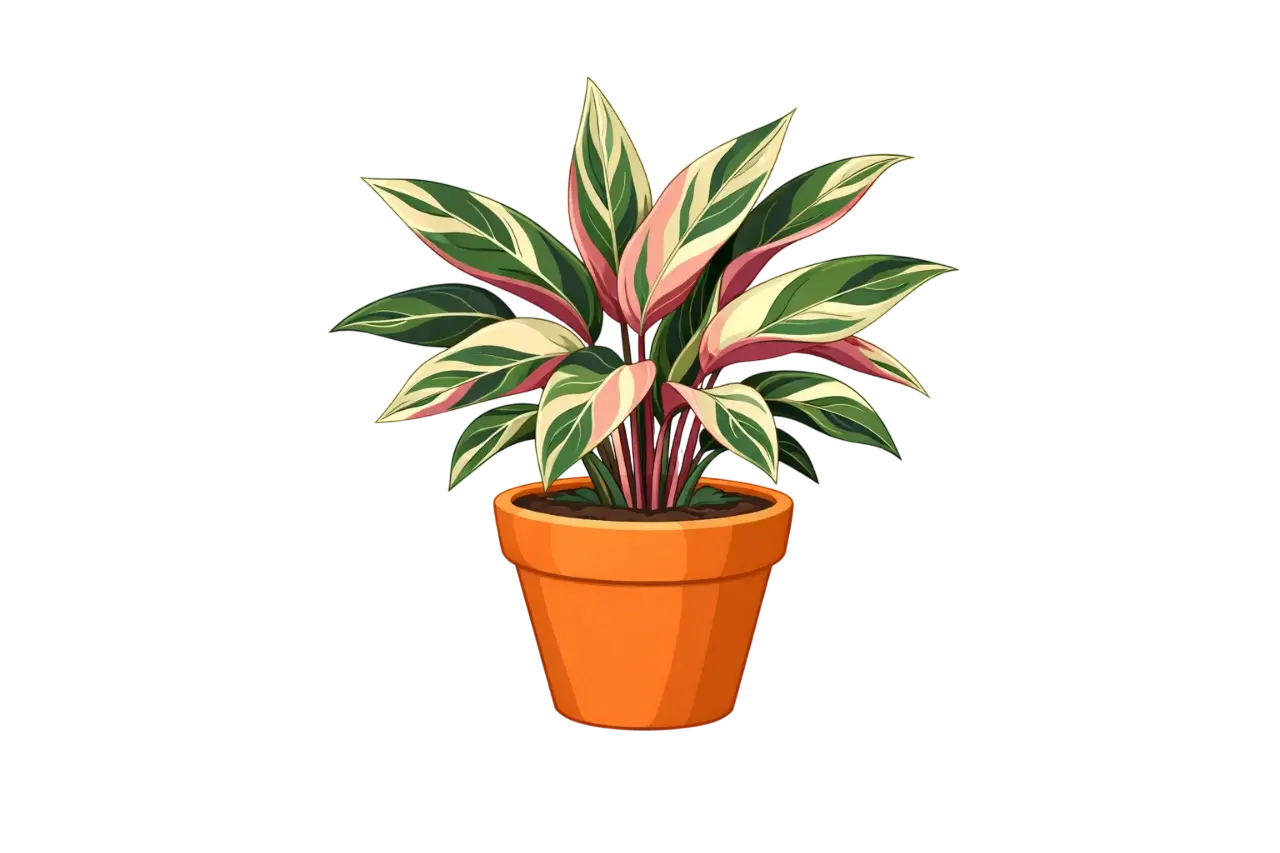
Stromanthe Triostar
A Brazilian prayer plant relative with cream, green and hot pink leaves on magenta undersides. Missouri Botanical Garden asks for an east window, high humidity, and soil that never dries out.
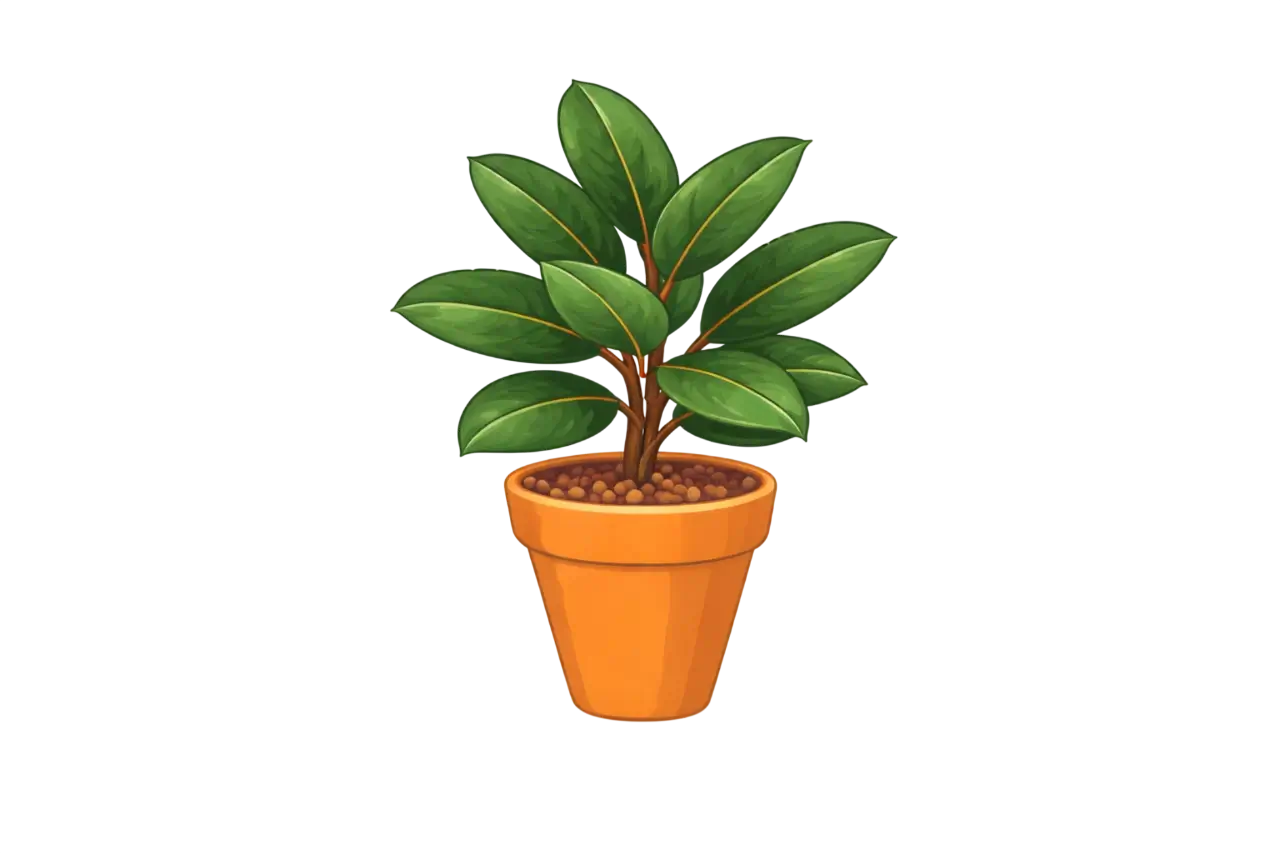
Rubber Plant
A tall, glossy-leafed houseplant with bold presence and easygoing care. The Rubber Plant is perfect for bright indoor corners that need a statement plant.
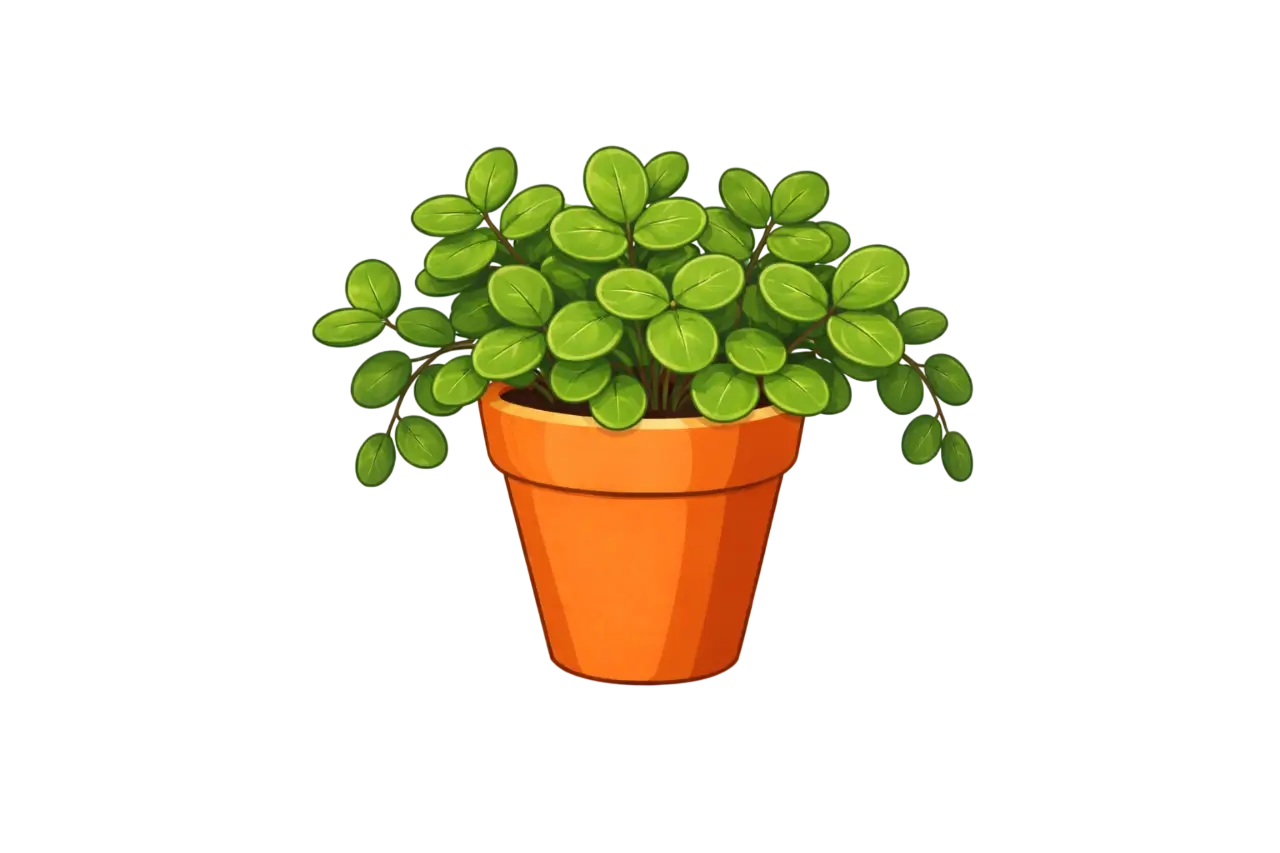
Peperomia Hope
A trailing semi-succulent with round, fleshy leaves in groups of three or four along thin stems. Peperomia Hope stores water in its leaves and needs less watering than most tropicals, but more light than people typically give it.
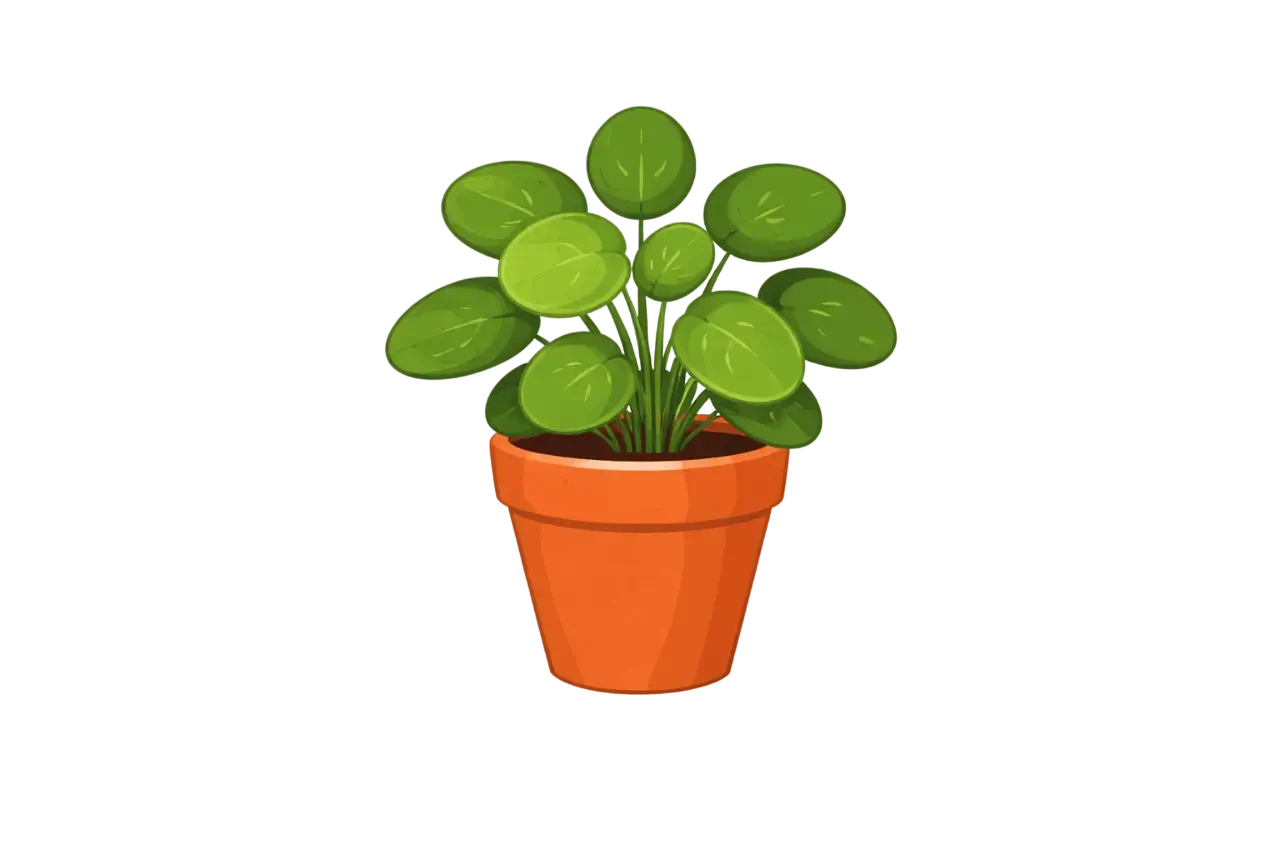
Chinese Money Plant
A stingless nettle relative from the cool mountain forests of Yunnan, with round leaves held on stalks that join at the centre. Every plant in the West descends from one missionary’s cuttings.
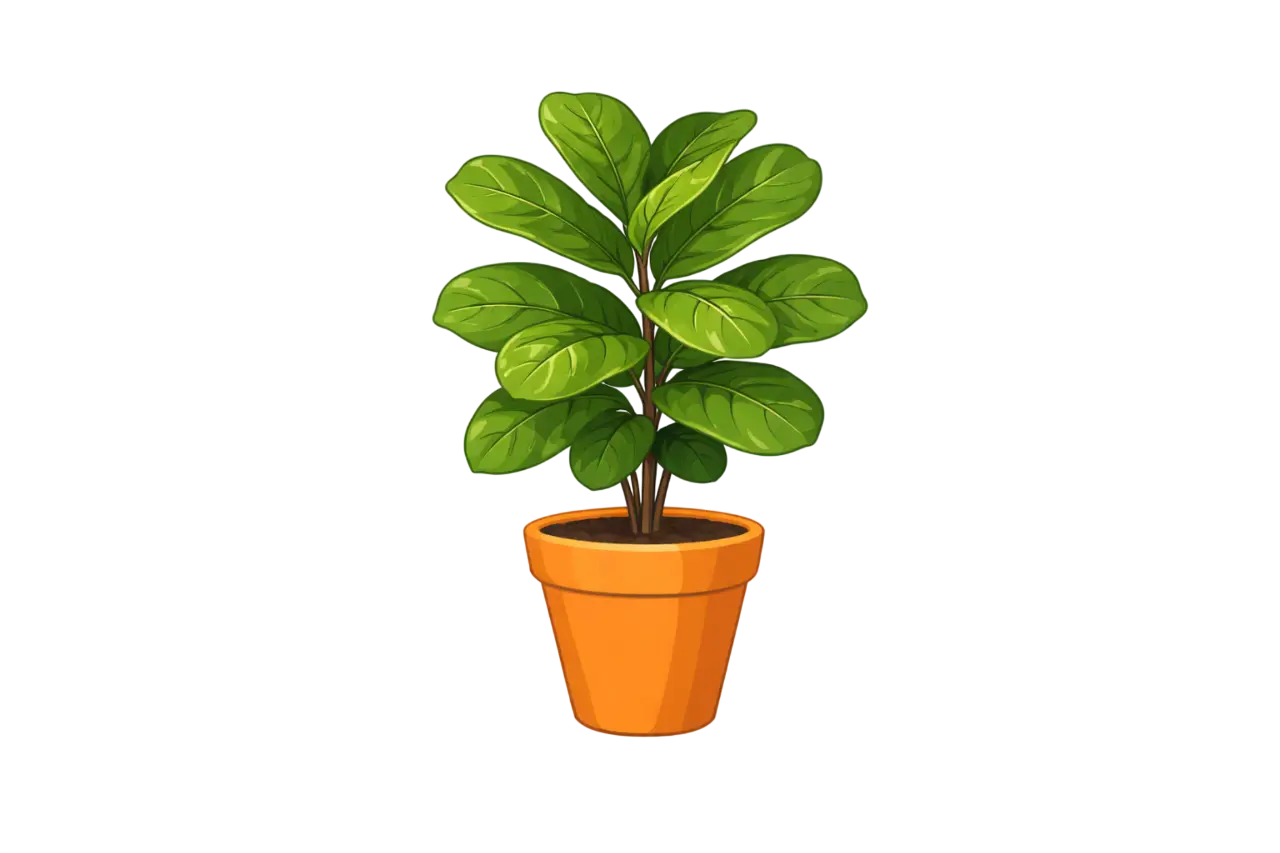
Fiddle Leaf Fig
A large-leafed tropical tree from West Africa that grows up to 10 feet indoors. Fiddle leaf fig has a reputation for being fussy, but the issues almost always trace back to three things: inconsistent watering, not enough light, or being moved.
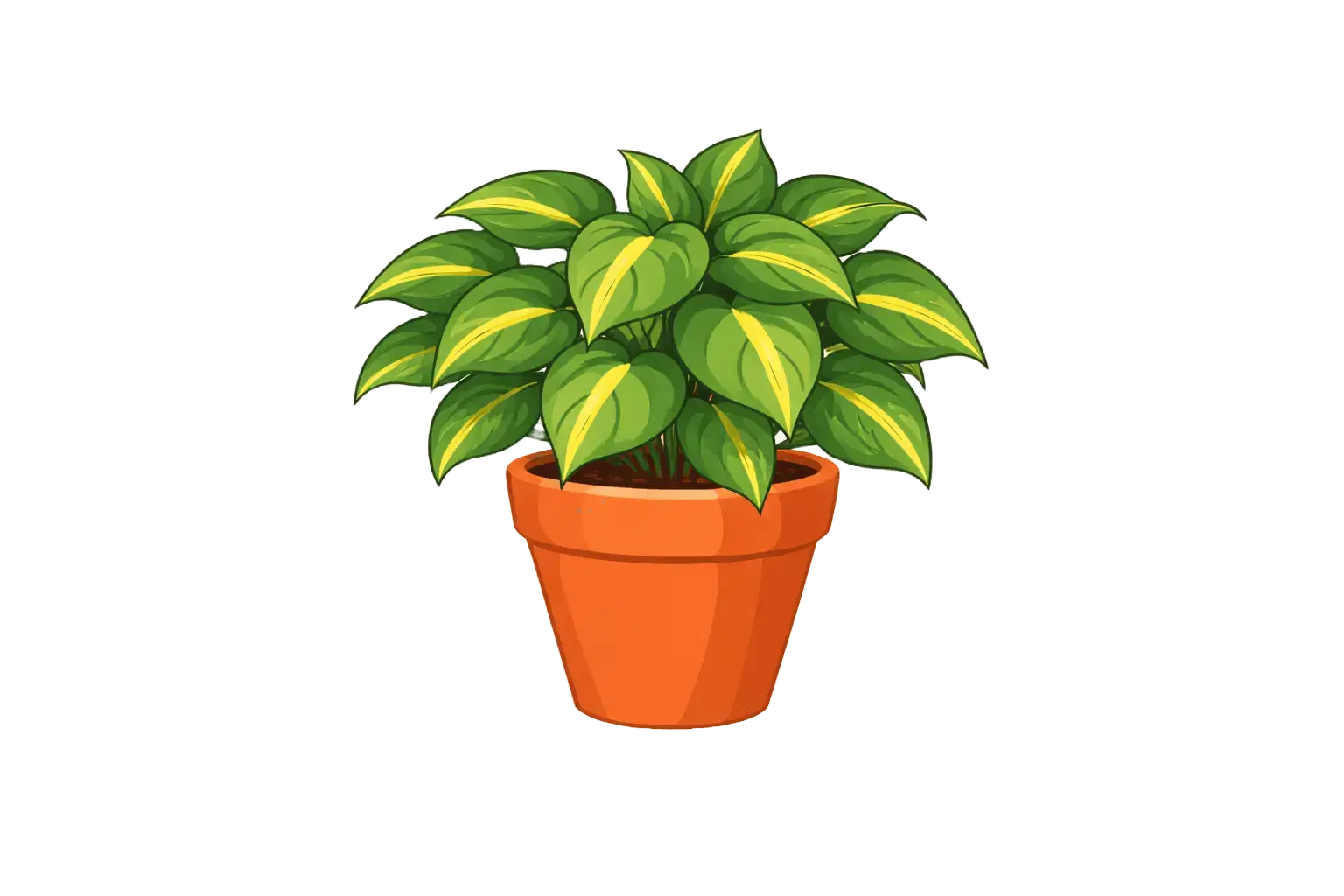
Philodendron Brasil
A variegated cultivar of the heartleaf philodendron with green and lime-yellow striped leaves. Philodendron Brasil needs more light than the solid green type to keep its variegation, and losing that colour in low light is the most common owner complaint.
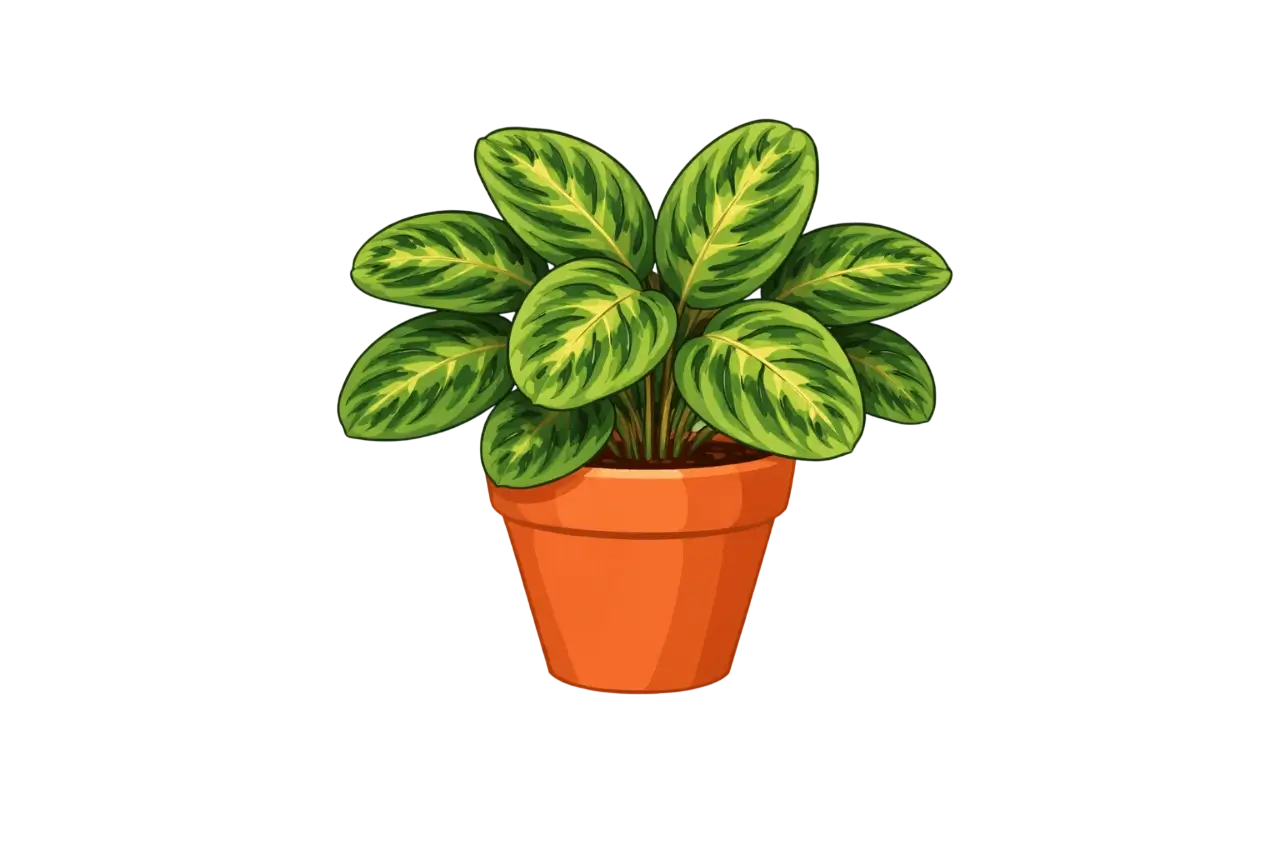
Prayer Plant
A low-growing Brazilian tropical whose patterned leaves fold upright every evening. Maranta leuconeura wants steady moisture, warmth, and a careful eye on what you feed it.

Dieffenbachia (Dumb Cane)
A striking tropical plant with large, patterned leaves and upright growth. Dieffenbachia adds bold, leafy texture to indoor spaces and does best in indirect light.

Golden Pothos
A fast-growing, low-maintenance vine with heart-shaped green leaves streaked with golden yellow.
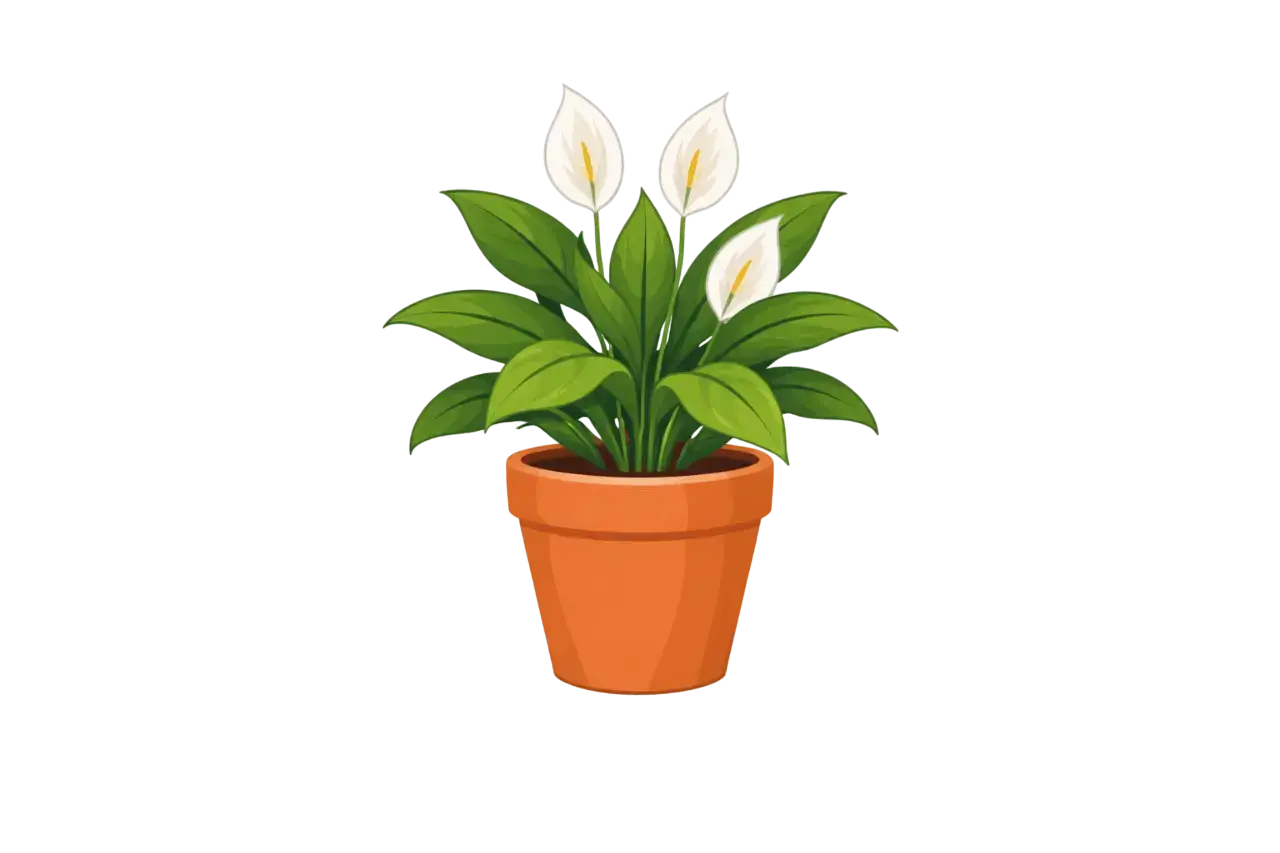
Peace Lily
A graceful, flowering plant that signals when it’s thirsty and does best in low to medium light environments.
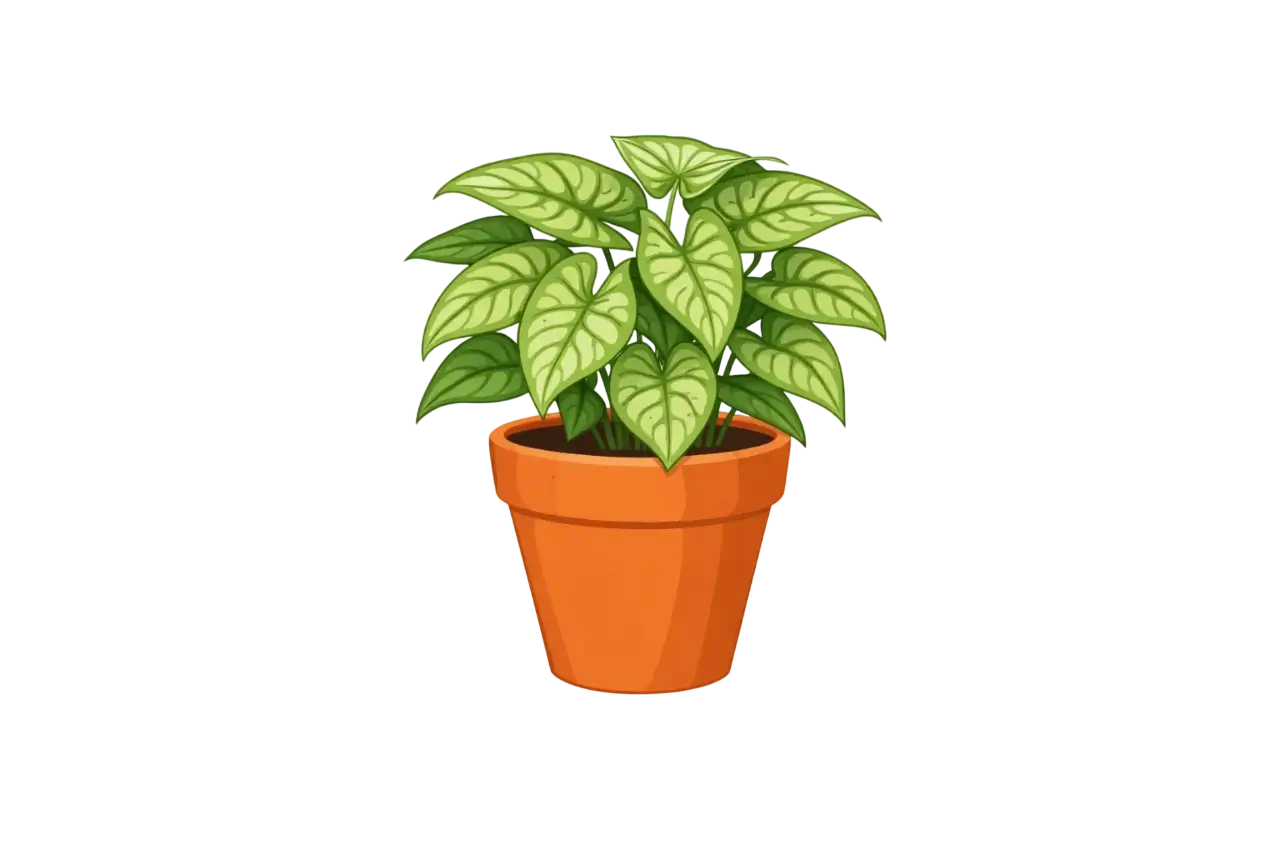
Arrowhead Plant
A climbing tropical that changes leaf shape as it matures. Juvenile arrowhead plants have simple arrow-shaped leaves; mature climbing plants develop large, multi-lobed foliage. Whether you get one or the other depends on whether you prune or let it climb.
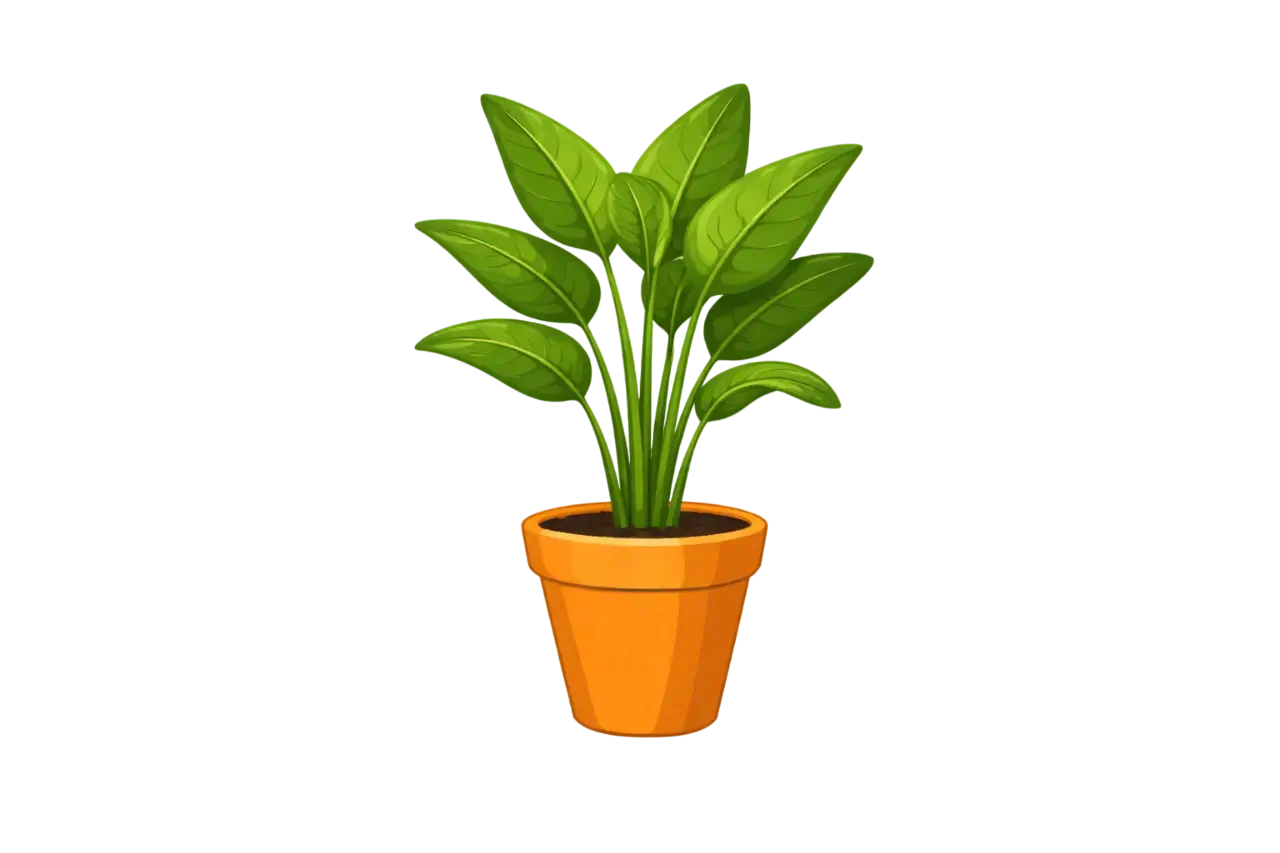
Bird of Paradise
A clumping South African perennial with grey-green banana-like leaves and a beaked orange flower. The RHS says five to ten years before it blooms, and the trick is to stop repotting it.
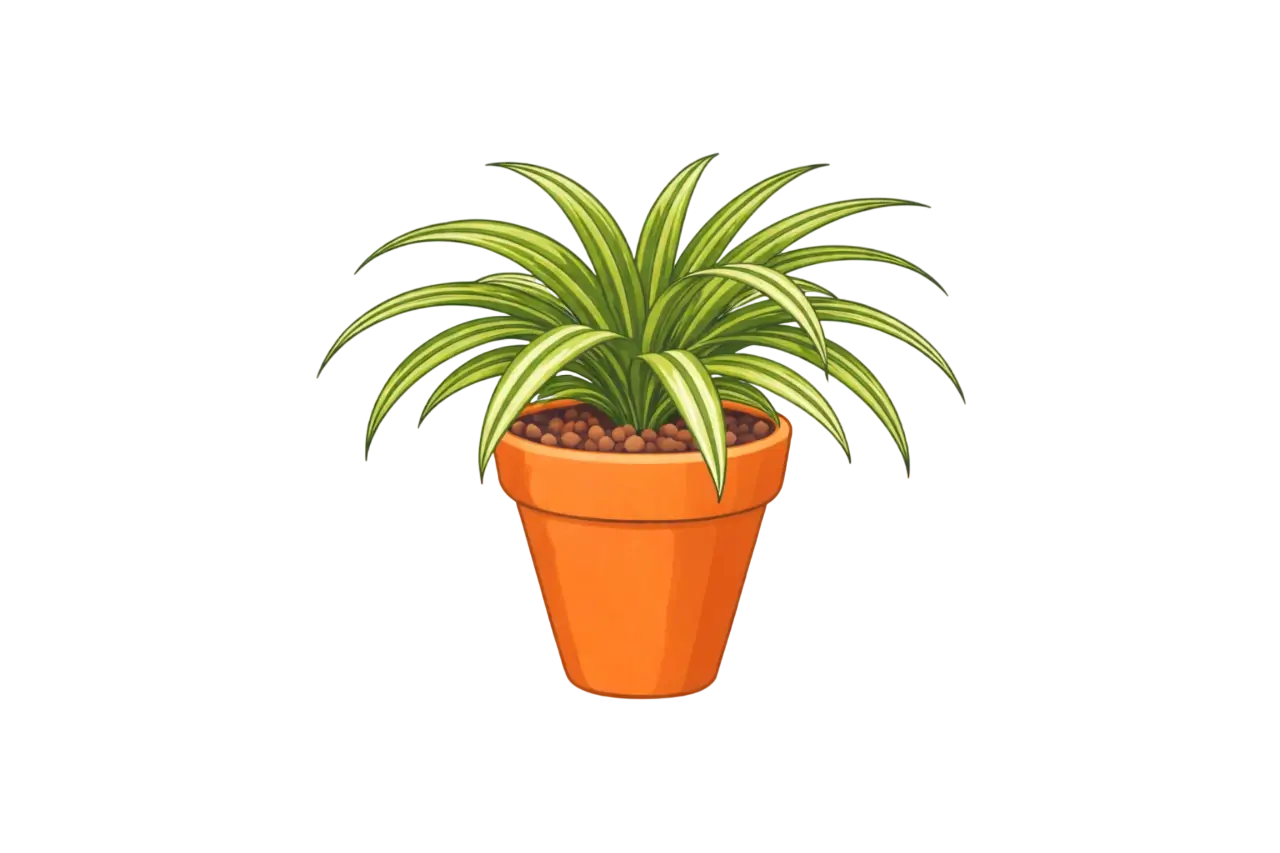
Spider Plant
A playful, air-purifying plant known for its arching leaves and baby offshoots.
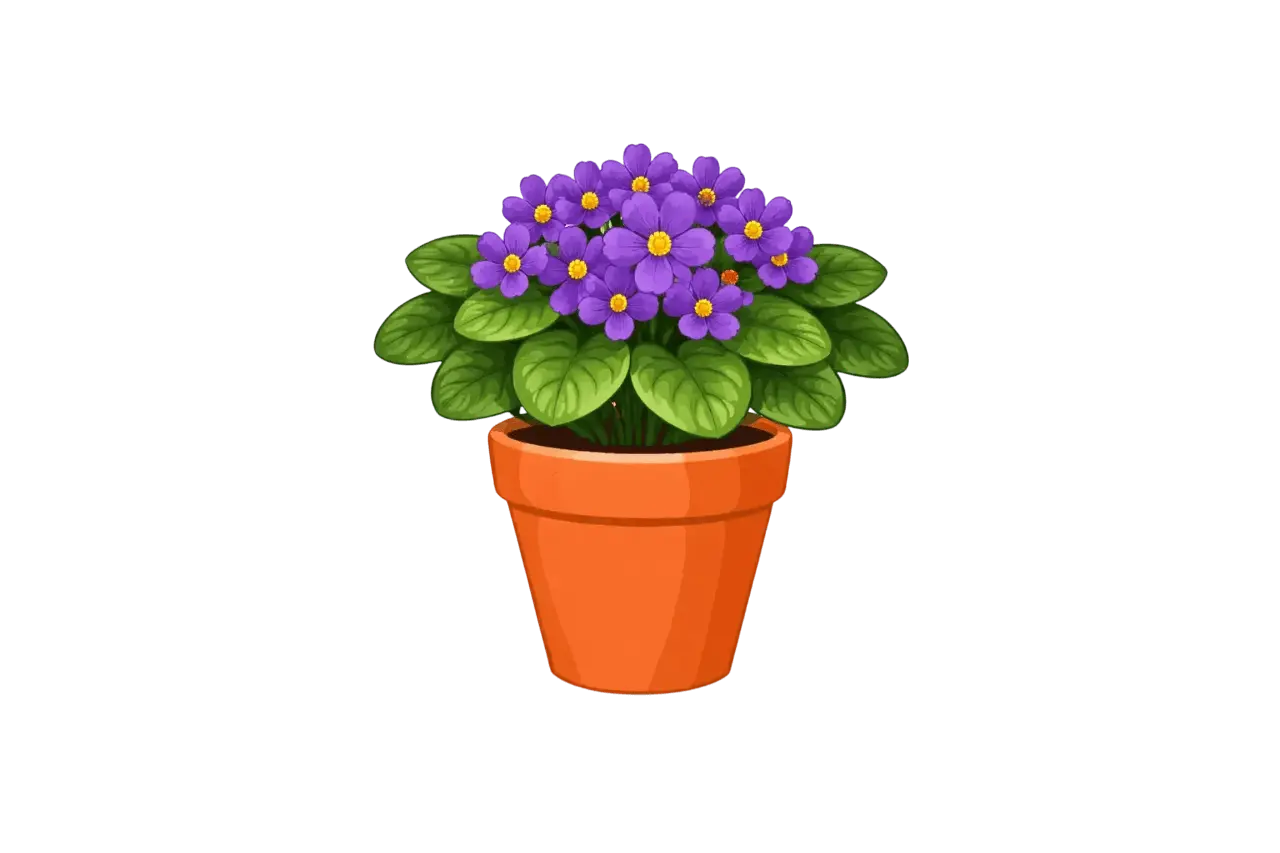
African Violet
A compact flowering houseplant from Tanzania that blooms nearly year-round in the right light. African violets are one of the few houseplants that flower reliably indoors, but they have specific rules about water, light hours, and pot size that most guides understate.