How to Care for Philodendron Brasil
Philodendron hederaceum 'Brasil'
 Save
Save
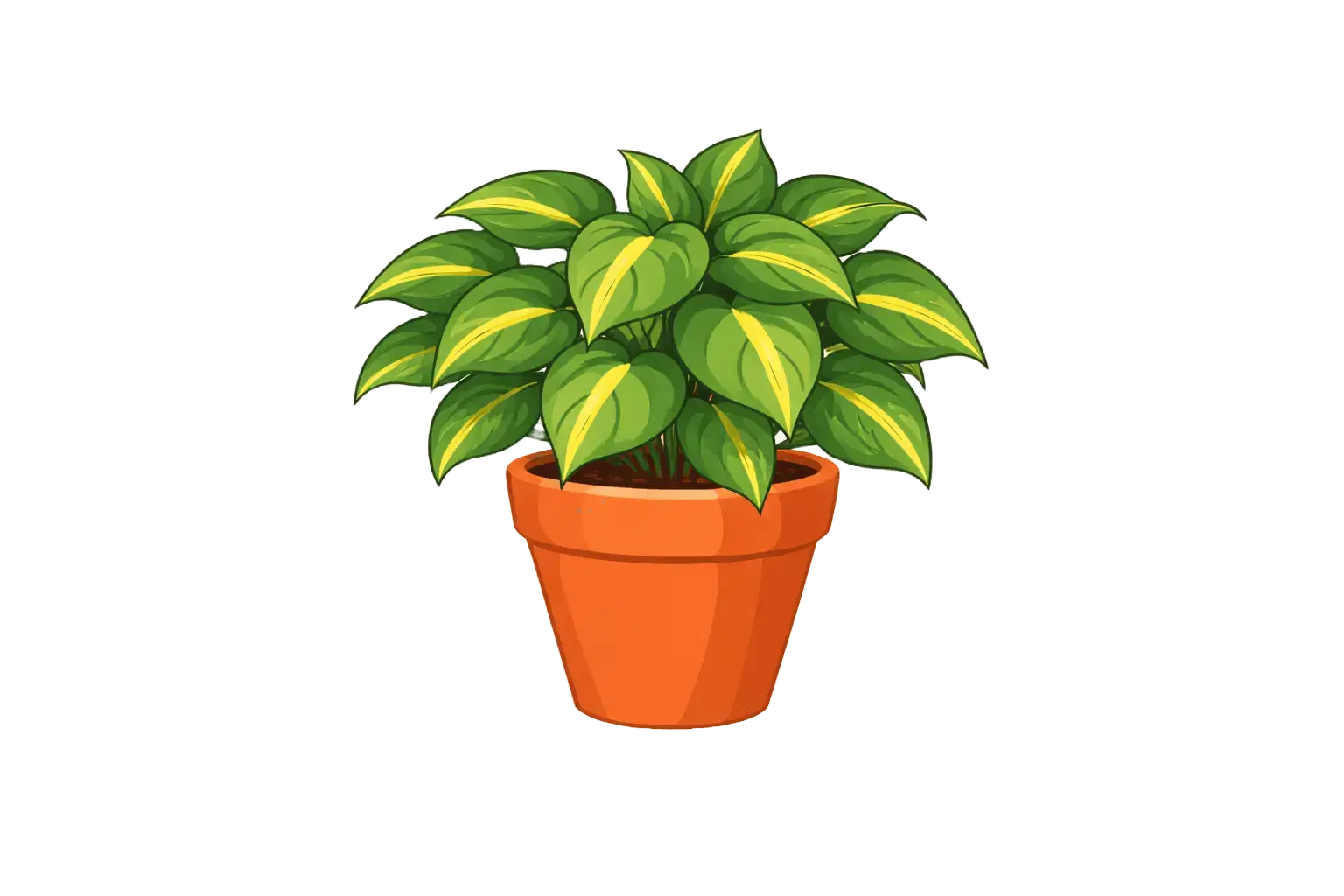
Philodendron Brasil is a variegated sport of the heartleaf philodendron (Philodendron hederaceum) with leaves striped in dark green and lime-yellow to chartreuse. Each leaf has a different pattern; no two are identical. The variegation is what makes this cultivar worth growing instead of the solid green heartleaf, and keeping that colour is the central care challenge.
The variegation is unstable. In low light, the plant produces progressively greener leaves as it compensates for the reduced ability to photosynthesize (the lime-yellow sections contain less chlorophyll). Reverted leaves do not regain their variegation. If you let the plant sit in a dim corner for a few months, it can lose most of its colour and look nearly identical to a standard heartleaf. The fix is more light and pruning, but the lost colour on existing leaves is permanent.
Like all heartleaf philodendrons, Brasil is a climbing aroid from the tropical forests of Central and South America. It grows faster in good conditions than most people expect, trailing or climbing several feet per year. Given a moss pole, the leaves grow significantly larger than when trailing. The care is nearly identical to the standard heartleaf philodendron, with one key difference: Brasil needs brighter light to maintain its variegation.
Toxic to cats, dogs, and humans. Contains calcium oxalates. Keep out of reach.
Quick Info
- LightBright
- WaterMedium
- SizeVines reach 6 to 10 feet indoors; leaves 2 to 4 inches trailing, larger climbing
- HumidityModerate
- Temp60–85°F (16–29°C)
- FloweringNo
- TypeTropical, Vine
- Dog SafeNo
- Cat SafeNo
- Kid SafeNo
Is Philodendron Brasil Toxic?
Pets: Toxic to cats and dogs. Contains insoluble calcium oxalates that cause oral irritation, drooling, vomiting, and difficulty swallowing if ingested. Keep out of reach of pets.
Kids: Toxic if ingested. Sap can irritate skin. Keep out of reach of young children.
Philodendron Brasil Care Guide
Light
Bright indirect light. This is the single most important care factor for Philodendron Brasil and the one that separates its care from the standard heartleaf. Brasil needs 6 or more hours of bright indirect light daily to maintain its variegation. An east- or west-facing window works. A south-facing window with a sheer curtain is even better. Some gentle direct morning sun (east window) is fine and helps maintain colour intensity.
In insufficient light, new leaves come in progressively greener until the variegation disappears entirely. If you see the lime-yellow sections shrinking or new leaves emerging solid green, the plant needs more light immediately. A grow light running 10 to 12 hours daily is the most reliable solution in rooms without a bright window. Unlike the solid green heartleaf, Brasil does not do well in low-light rooms long-term.
Watering
Water when the top 1 to 2 inches of soil feel dry, then water thoroughly until it drains. In bright conditions this is roughly once a week in spring and summer, every 10 to 14 days in winter. Brasil does not like drying out completely. Letting the soil go bone dry repeatedly causes yellow lower leaves, leaf drop, and leggy growth. Keep it evenly moist with brief dry periods between waterings.
Yellow leaves almost always mean overwatering (too wet, too long). Wrinkled or curling leaves mean the plant dried out too much or got cold. A moisture meter helps manage the balance, especially in winter when the top dries before the bottom.
Soil
Chunky, well-draining mix. Two parts standard potting soil, one part perlite, one part orchid bark. The bark and perlite keep the mix airy and prevent the compaction that leads to waterlogging. Brasil is an epiphytic vine in the wild and its roots prefer air pockets around them. The pot must have drainage holes.
Temperature and Humidity
60 to 85°F (16 to 29°C). Normal room temperatures are fine. Keep above 55°F; cold causes leaf curling and slowed growth. Avoid cold drafts, air conditioning vents, and cold windowsills in winter.
Moderate humidity (40 to 60%) is ideal. Brasil handles typical indoor humidity without major issues, but leaf edges may crisp slightly in very dry winter air (below 30%). A humidifier nearby helps, and higher humidity encourages larger leaves on climbing plants.
Fertilizing
Feed with a balanced liquid fertilizer at half strength once a month during spring and summer. Stop in fall and winter. Avoid over-fertilizing; excess nitrogen can push all-green growth at the expense of variegation. If you notice the lime-yellow sections shrinking while the plant is growing vigorously, reduce feeding.
Repotting
Every 1 to 2 years in spring, or when roots fill the pot. Go up 2 inches in diameter. Brasil grows fast and younger plants may need annual repotting. Refresh the soil mix each time to maintain drainage and aeration. Wear gloves; the sap irritates skin.
Pruning and Variegation Management
Pruning serves two purposes on Brasil: controlling shape and managing variegation. For shape, cut vines back to a node with clean pruning snips. The plant branches from below the cut.
For variegation, watch for two types of vines that should be pruned out: all-green vines (reverted) and all-lime/all-yellow vines. Both are unstable sports. All-green vines will eventually take over the plant because they photosynthesize more efficiently and outcompete variegated growth. All-yellow vines lack enough chlorophyll to sustain themselves long-term. Prune both back to the last well-variegated leaf to maintain balanced colour on the plant. Check for reverted growth monthly.
Climbing vs Trailing
Like the standard heartleaf, Brasil produces larger leaves when climbing a support than when trailing. A moss pole, coir pole, or bamboo support encourages the transition to bigger foliage. The variegation pattern also tends to be more pronounced on larger climbing leaves. Keep the moss pole damp to encourage aerial root attachment. If you prefer the cascading look with smaller leaves, trailing works fine.
Propagation
Stem cuttings, identical to heartleaf philodendron. Cut a 4 to 6 inch section with at least one node and a leaf. Remove the lowest leaf. Place in water (node submerged) and change weekly. Roots appear in 1 to 3 weeks. Transfer to soil when roots reach 2 inches. When selecting cuttings, choose sections with strong variegation. Cuttings from all-green reverted sections will produce all-green plants, not variegated ones. The variegation pattern carries forward from the cutting.
Common Philodendron Brasil Problems
Losing variegation (reverting to green) The most common Brasil-specific problem. The lime-yellow sections shrink and new leaves emerge mostly or entirely green. This means the plant is not getting enough light. Move to brighter indirect light immediately. Prune reverted (all-green) vines back to the last variegated leaf. Reverted leaves will not regain their colour, but new growth in better light will come in variegated.
Yellow leaves Overwatering. If the soil is consistently wet and leaves are yellowing, reduce watering frequency. If only one or two older lower leaves yellow while vine tips grow actively, that is normal leaf cycling. Why are my plant's leaves turning yellow covers the full diagnosis.
Leggy, sparse vines Not enough light, or the plant has not been pruned. Prune back to a node to encourage branching. Move to brighter conditions. With Brasil, legginess and variegation loss often happen together since both are caused by insufficient light.
Curling or wrinkled leaves Cold exposure or the soil dried out too much. Check for cold drafts from windows or vents. If the soil is bone dry, water thoroughly. Brasil does not like completely drying out; it prefers brief dry periods between waterings, not extended drought.
Pests Mealybugs, spider mites, and fungus gnats. Mealybugs hide at leaf nodes. Spider mites produce stippling and fine webbing. Fungus gnats breed in wet topsoil. Treat mealybugs and spider mites with neem oil. Let the soil dry more between waterings to address gnats.
FAQs
Not enough light. Brasil needs brighter light than the solid green heartleaf to maintain its lime-yellow variegation. In low light, the plant compensates by producing greener leaves with more chlorophyll. Move to bright indirect light (6+ hours daily) and prune any all-green vines back to the last variegated leaf. Reverted leaves will not regain colour, but new growth in better light will be variegated.
Brasil is a variegated cultivar of the same species (Philodendron hederaceum). The care is identical with one key exception: Brasil needs brighter light to maintain its green and lime-yellow striped pattern. In the same low-light conditions where a standard heartleaf does best, Brasil loses its variegation and reverts toward solid green.
Yes. All-green reverted vines photosynthesize more efficiently than variegated ones and will eventually dominate the plant, crowding out the colourful growth. Prune reverted vines back to the last leaf that shows good variegation. Also prune any all-yellow or all-lime vines, which lack enough chlorophyll to sustain themselves.
When the top 1 to 2 inches of soil feel dry. Roughly once a week in spring and summer, every 10 to 14 days in winter. Do not let it dry out completely, which causes yellow lower leaves and leaf drop. Keep it evenly moist with brief dry periods between waterings.
Yes. It contains insoluble calcium oxalates that cause oral irritation, drooling, vomiting, and difficulty swallowing if chewed or ingested. The sap can also irritate skin. Keep out of reach of pets and children.
Yes, and climbing produces larger, more prominently variegated leaves than trailing growth. Secure the vines to the pole with soft ties until the aerial roots attach on their own. Keep the pole damp to encourage root attachment. The variegation pattern tends to be bolder on larger climbing leaves.
Stem cuttings in water. Cut a 4 to 6 inch section with at least one node and a leaf. Place in water with the node submerged and change weekly. Roots appear in 1 to 3 weeks. Choose cuttings with strong variegation; cuttings from reverted all-green sections will produce all-green plants.