
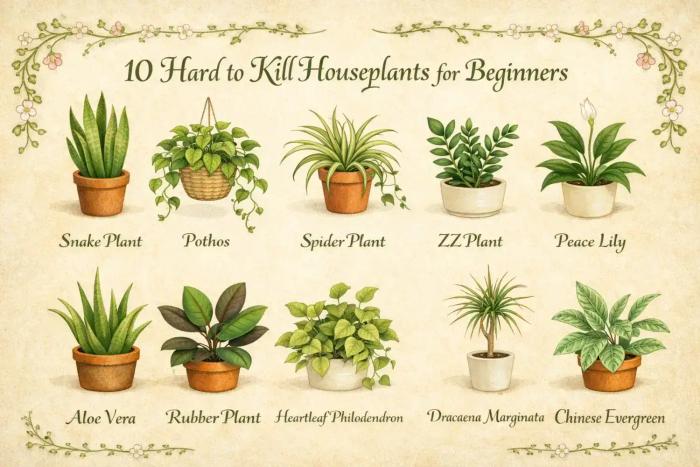

Most houseplants die from one of two things: wrong light or too much water. The plants on this list hold up to both. If you're new to houseplants, start here.
1. Snake Plant
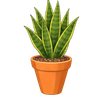
Snake Plant Care Guide
Light: low | Water: low
Light: Low to bright indirect Water: Every 2–4 weeks
The snake plant tolerates low light better than almost anything else. Put one in a dim corner, forget about it for a month, and it will be fine.
The way people kill it: overwatering. The roots rot quickly in wet soil. Water only when the soil is completely dry — all the way to the bottom, not just the top inch.
2. Golden Pothos

Golden Pothos Care Guide
Light: low | Water: medium
Light: Low to medium indirect Water: When top 2 inches of soil are dry
Pothos handles low light, inconsistent watering, and dry indoor air without complaint. When it's thirsty, the leaves get slightly soft — that's your cue.
It propagates easily. Cut a stem just below a node, drop it in water, and you'll have roots in a week or two.
The most common mistake: letting it sit in soggy soil. Yellow leaves almost always mean overwatering.
3. ZZ Plant

ZZ Plant Care Guide
Light: low | Water: low
Light: Low to medium indirect Water: Every 3–4 weeks
The ZZ plant grows from rhizomes — thick underground stems that store water. This is why it can go weeks without a drink and still look fine. It does well under office fluorescent lighting too.
The mistake people make: watering it like a regular houseplant. It doesn't need it, and root rot will follow.
4. Peace Lily

Peace Lily Care Guide
Light: medium | Water: high
Light: Low to medium indirect Water: Weekly, or when top inch of soil feels dry
One of the few houseplants that blooms in low light. When it needs water, the leaves droop. Water it and it perks back up within a few hours.
Don't wait for the droop every time though. Consistently stressing it this way shortens its lifespan. Check the soil every few days instead.
5. Spider Plant

Spider Plant Care Guide
Light: medium | Water: medium
Light: Bright indirect (tolerates low light) Water: When soil dries out
Spider plants bounce back from underwatering easily and produce offshoots — called spiderettes — that you can propagate in water.
If the leaf tips turn brown, it's usually fluoride in tap water. Let tap water sit overnight before using it, or switch to filtered.
6. Aloe Vera
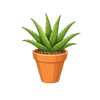
Aloe Vera Care Guide
Light: bright | Water: low
Light: Bright indirect to some direct sun Water: Every 2–4 weeks; soil must dry out completely
Aloe stores water in its leaves, which makes it drought-tolerant and sensitive to overwatering. Soft, mushy leaves at the base mean the roots are rotting.
Two things matter: bright light and well-draining soil. Regular potting mix holds too much moisture. Use a cactus or succulent mix, or cut regular mix with perlite.
Mature plants produce pups at the base. Pull them off once they're a few inches tall and pot them separately.
7. Rubber Plant
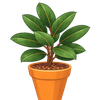
Rubber Plant Care Guide
Light: bright | Water: medium
Light: Bright indirect Water: Every 1–2 weeks; let top 2–3 inches dry out
The rubber plant (Ficus elastica) has large, glossy leaves and grows into a solid floor plant over time. More forgiving than the fiddle leaf fig, and handles lower light reasonably well.
The common mistake: overwatering. The thick leaves don't wilt quickly when stressed, so root rot can be advanced before you notice. Stick a finger 2–3 inches into the soil — if it's still moist, wait.
The milky sap that comes out when you prune can irritate skin. Wear gloves.
8. Heartleaf Philodendron
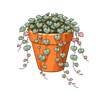
Heartleaf Philodendron Care Guide
Light: medium | Water: medium
Light: Low to bright indirect Water: When top 1–2 inches of soil are dry
Often confused with pothos, the heartleaf philodendron has softer, more distinctly heart-shaped leaves and a slightly faster growth rate. It trails or climbs and handles low light well.
Yellow leaves mean overwatering. Brown, crispy edges mean underwatering or low humidity.
9. Dracaena
Light: Low to medium indirect Water: Every 2–3 weeks; let soil dry between waterings
Dracaena covers several species — marginata, fragrans, and others — all with similar care needs: low water, low-to-medium light, slow growth. Common in offices for a reason.
The one sensitivity: fluoride. Brown leaf tips are usually fluoride toxicity from tap water, not a watering problem. A standard Brita won't fix it — use distilled or RO water.
10. Chinese Evergreen

Chinese Evergreen Care Guide
Light: low | Water: medium
Light: Low to medium indirect Water: Every 1–2 weeks; let top inch dry out
Chinese evergreen (Aglaonema) handles low light, inconsistent watering, and dry air well. It comes in a wide range of leaf colors — deep green to red and pink variegation.
The more colorful varieties need more light to hold their color. A deep green Chinese evergreen will survive a dim corner. A red or pink variety in the same spot will slowly fade toward green.
Not sure which fits your space? Use the Plant Finder to get a pick based on your light and how often you realistically want to water.
What makes a houseplant hard to kill
Most plants on this list share a few traits: thick or waxy leaves that store water, tolerance for low light, and rhizomes or succulent root systems that buffer against irregular care. If you're shopping and want something forgiving, look for these.
The mistake that kills most beginners' plants
Overwatering. Nearly every plant on this list is more likely to die from too much water than too little. Check the soil with your finger — not just the surface, but 2 inches down — before you water anything. If it's still moist, wait. Most beginner plant deaths aren't from neglect. They're from attention.
Frequently Asked Questions
What is the easiest houseplant for beginners?
Snake plant. It tolerates low light, needs very little water, and survives weeks of neglect. ZZ plant is a close second if you tend to forget to water.
Why do my houseplants keep dying?
Probably overwatering. Most people water on a schedule rather than checking the soil, which keeps roots sitting in moisture they don't need. Root rot sets in before anything looks wrong above the soil. Stick your finger 2 inches in before you water — if it's moist, wait.
How often should I water indoor plants?
There's no universal schedule — it depends on the plant, pot size, soil, and light. The better habit is checking the soil. Most plants on this list want the soil to dry out significantly between waterings. When in doubt, wait another day.
Can houseplants survive in low light?
Some can. Snake plant, ZZ plant, pothos, heartleaf philodendron, Chinese evergreen, and peace lily all handle low light. Low light means no direct sun, but still some natural light from a window. No natural light at all will eventually stress any plant.
What kills houseplants the most?
Overwatering, followed by wrong light. Overwatering causes root rot, which kills from the bottom up — often before anything looks wrong at the surface.
Is it better to underwater or overwater?
For most plants on this list, underwatering is safer. Plants recover from drought more easily than root rot. Peace lily is the exception — it's more sensitive to drying out than the others.
How do I know when to water?
Check the soil, not the calendar. For snake plant, ZZ plant, aloe, and dracaena, the soil should be dry 2–3 inches down. For pothos and philodendron, water when the top 1–2 inches are dry. For peace lily, water when the top inch is dry.
Are any of these plants safe for pets?
Of these 10, only the spider plant is non-toxic to cats and dogs per the ASPCA. Snake plant, pothos, ZZ plant, peace lily, aloe, rubber plant, heartleaf philodendron, dracaena, and Chinese evergreen are all toxic to pets to varying degrees. Keep them out of reach or choose pet-safe alternatives if you have animals that chew plants.