
How Often to Water a Peace Lily

Peace Lily needs water roughly every 7 to 10 days during the growing season and every 10 to 14 days in winter. The soil always has the final say though. Check the top inch: if it feels dry, water thoroughly. If it still feels damp, give it another day or two.
Frequency shifts depending on your light level, pot type, and time of year, and getting those variables right is the difference between a plant that thrives and one that droops every other week. The sections below break it down, along with a calculator to find your specific schedule.
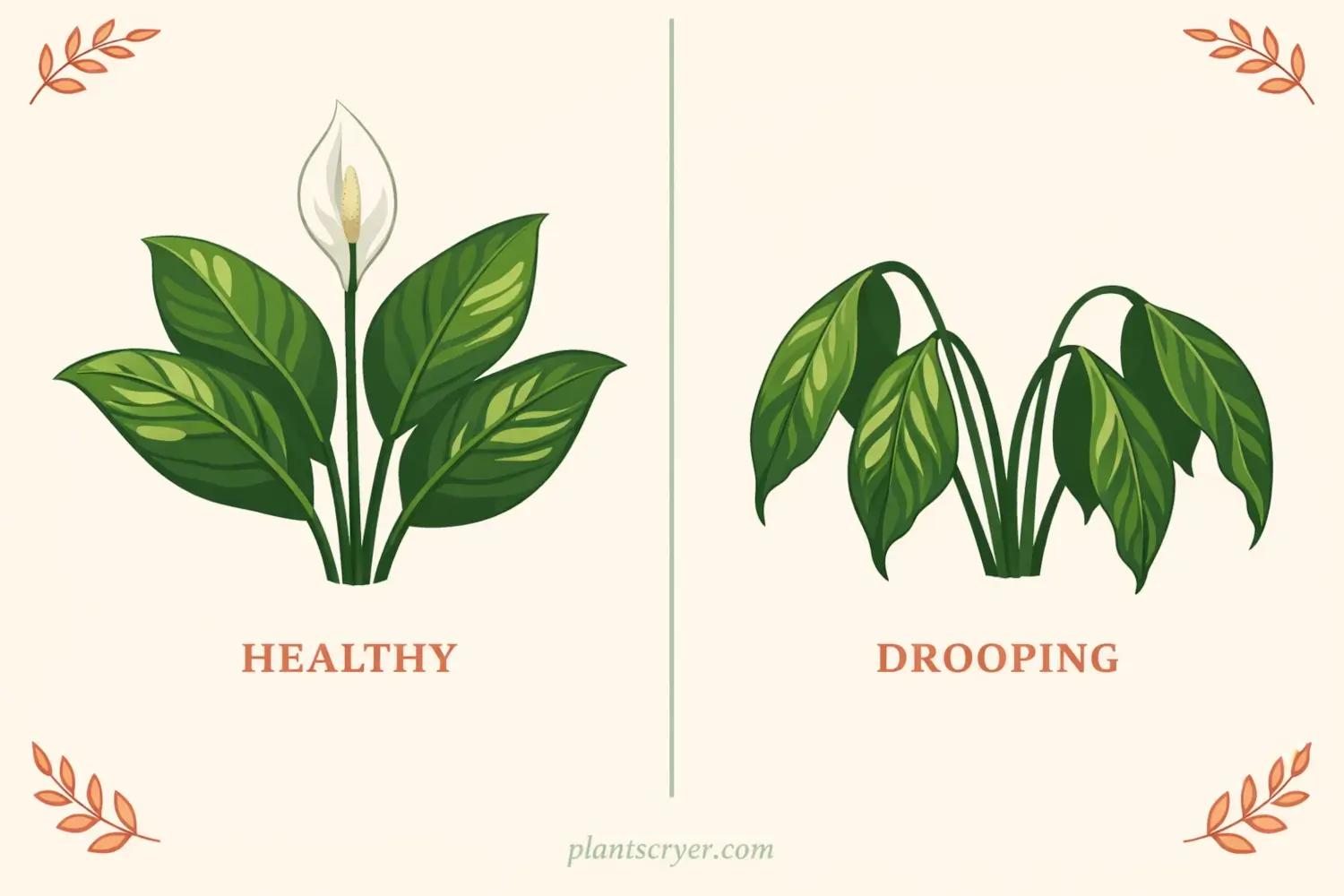
One thing to know upfront: Peace Lily droops when thirsty, which makes it seem like a reliable watering signal. It isn’t, not really. By the time the leaves are collapsing, the plant is already stressed. Repeated drooping causes brown leaf tips that won’t reverse. You want to catch it just before that point, not after.
Find Your Watering Schedule
Light Level
Season
Pot Material
Pot Size
Humidity
Adjust the inputs for your light level, pot size, and current season. The result gives you a starting interval. Treat it as a baseline and fine-tune it based on how quickly your soil actually dries out.
What Determines How Often You Water
No two peace lilies need water on the same schedule. Here’s what shifts the frequency most.
Light level
This is the biggest variable most watering guides skip over. A peace lily in bright indirect light is photosynthesizing actively and pulling moisture through its roots faster. Expect to water every 5 to 7 days. The same plant sitting in a low-light corner might go 12 to 14 days between waterings because growth has slowed and the soil simply isn’t drying out as fast.
If you’ve moved your plant recently, give it two or three watering cycles before trusting any schedule. It needs time to settle into its new light conditions.
Season
Peace Lily grows actively from roughly April through October. During this window it uses more water, pushes out new leaves, and may flower. Weekly or near-weekly watering is normal. In winter, growth slows significantly. It doesn’t go fully dormant, but water demand drops noticeably. Stretch your intervals and let the soil guide you rather than the calendar.
Pot type and material
Terracotta is porous and wicks moisture out of the soil, so the root zone dries faster. If you tend to overwater, a terracotta pot is one of the simplest fixes — the clay pulls excess moisture away from the roots passively. Plastic and glazed ceramic hold moisture longer, which suits Peace Lily’s preference for consistent dampness but leaves less margin for error. If you travel frequently or tend to forget checks, a self-watering pot keeps soil moisture consistent without the daily guesswork. Whatever material you use, the pot needs drainage holes. Without them, water pools at the bottom and root rot follows.
Pot size relative to the plant
A pot that’s too large for the root ball holds excess moisture the roots can’t reach, keeping the soil wet long after watering. This is one of the most common causes of overwatering and has nothing to do with how much water you’re adding. If you’ve recently moved up more than one pot size, be cautious about watering frequency until the plant grows into it.
On the other end: a rootbound peace lily dries out unusually fast. If you’re watering thoroughly and the plant droops again within three or four days, it’s likely pot-bound rather than thirsty. See the care guide for repotting guidance.
Humidity and temperature
In a humid bathroom or kitchen, soil dries more slowly than in a dry heated room in winter. Low humidity speeds up evaporation from the soil surface, so your peace lily may actually need water more often in winter than you’d expect, even though growth has slowed. If you run heating constantly and the air is dry, check the soil more frequently rather than assuming winter always means less watering.
How to Tell When Your Peace Lily Needs Water
- Finger test. Push your finger into the soil to the first knuckle, roughly one inch deep. If it feels dry at that depth, water. If it still feels damp, check again in a day or two. This is the most reliable method and the one to default to.
- Pot weight. Lift the pot right after watering so you know what heavy feels like, then lift it again a few days later. A noticeably lighter pot means the soil is drying out. This takes a couple of cycles to calibrate but becomes second nature quickly.
- Soil color. Dry soil is lighter and more matte than moist soil, especially at the surface. If the top layer has gone pale and dusty, it’s usually time.
- Moisture meter. If you want a more precise read, a soil moisture meter takes the guesswork out entirely — push the probe in and the reading tells you whether to water or wait — this one is a reliable pick and works for any houseplant. More useful while you’re still calibrating to a new plant or a new spot.
- Leaf droop. Yes, it works, but use it as a backup rather than a first signal. By the time Peace Lily droops, it’s already under stress. Catching it at the finger-test stage, before the droop happens, produces a healthier plant over time. If drooping is happening regularly, something else is probably off. See the Peace Lily drooping guide for a full diagnosis.
Seasonal Watering Schedule
Spring and summer
This is the active growing season. Check the soil every five to seven days and water when the top inch is dry. Most peace lilies in average household light land somewhere in the 7 to 10 day range, but bright spots can push this closer to weekly. New leaves emerging and the plant sitting upright and firm are signs the schedule is working.
Fall
Growth begins to slow in September and October. Start stretching your intervals slightly and pay more attention to the soil than the schedule. The plant will start needing less water before the calendar suggests it should.
Winter
Aim for every 10 to 14 days as a baseline, but always check before watering. A peace lily in a warm, bright room may still need water every 8 to 9 days in winter. One in a cool, dim corner might go 16 days without issue. The soil is the arbiter, not the season.
How to Water a Peace Lily Correctly
Water slowly and thoroughly until it runs steadily from the drainage holes. This ensures the entire root ball is hydrated, not just the top layer. Shallow watering moistens the surface but leaves the lower root zone dry, which causes roots to cluster near the top of the pot and makes the plant more vulnerable between waterings.
Once water drains, empty the saucer. A peace lily sitting in standing water is heading toward root rot. If you use a decorative cachepot, lift the nursery pot out to drain fully before returning it.
Water type matters more than most guides let on. Peace Lily is genuinely sensitive to fluoride, which is common in municipal tap water, and regular fluoride exposure causes the brown leaf tips that most people blame on underwatering or low humidity. A filtered water pitcher is the easiest fix for most households — it removes chlorine and reduces other minerals without needing to buy bottled water constantly. If you’re using tap water as-is, leaving it uncovered overnight allows chlorine to dissipate, though it won’t remove fluoride. If brown tips are persistent despite everything else being right, switching to rainwater or filtered water often clears it up within a few weeks as new growth comes in.
Always use room temperature water. Cold water can shock the roots and slow water uptake.
Signs You’re Getting It Wrong
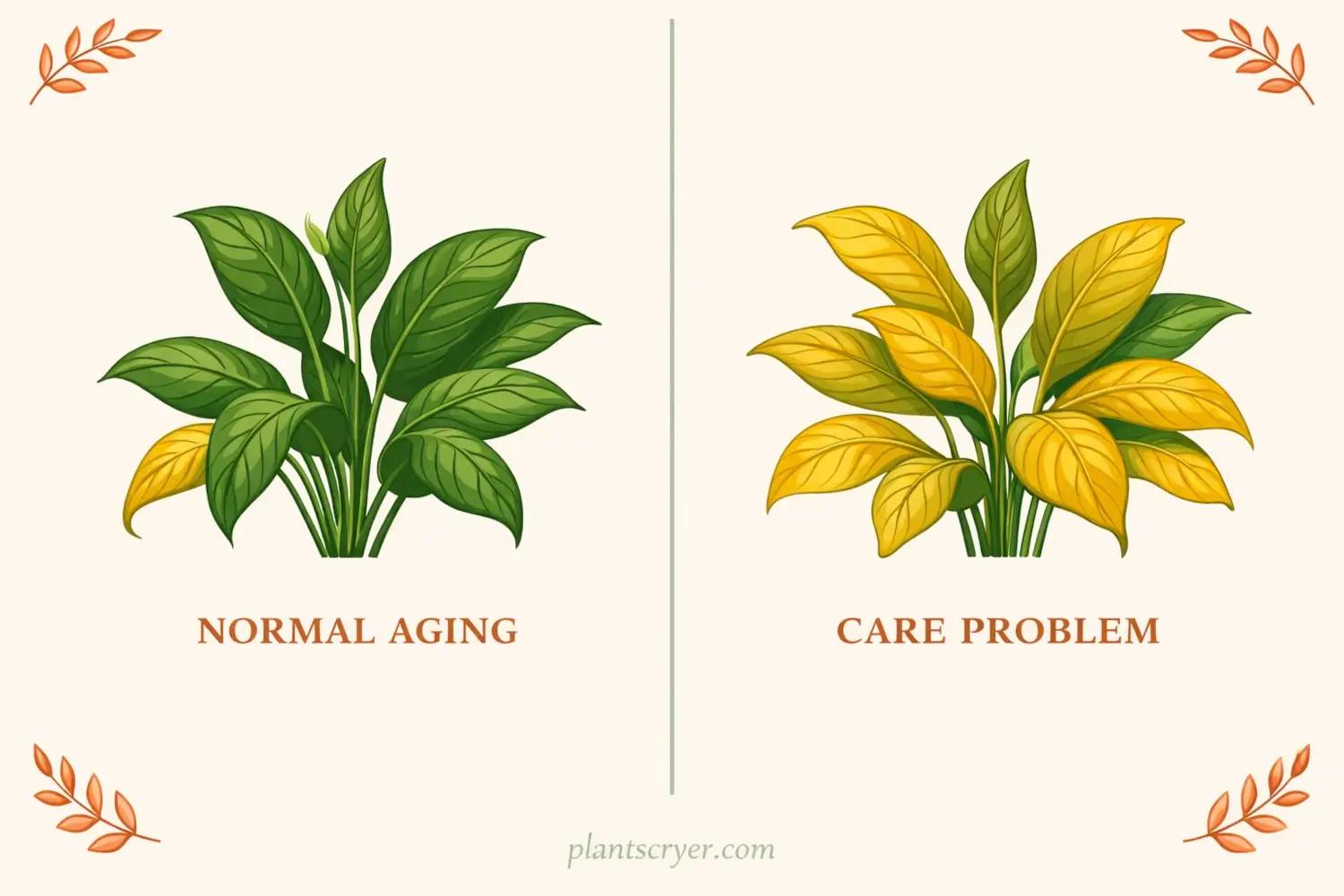
Yellow leaves usually point to overwatering. See the yellow leaves guide for a full diagnosis. Brown tips point toward fluoride accumulation, underwatering, or low humidity. The brown tips guide covers each cause.
More peace lily guides

Frequently Asked Questions
Every 10 to 14 days is a reasonable starting point, but check the soil first. A peace lily in a warm, bright room may still need water every 8 to 9 days in winter. One in a cool, dim spot might go longer. Soil feel beats schedule every time.
Push your finger into the soil to the first knuckle. If it feels dry at that depth, water thoroughly. If it still feels damp, wait another day or two. The pot weight method is a useful secondary check once you've got a feel for it.
Drooping that doesn't resolve within a few hours of watering usually isn't a frequency problem. It points to overwatering, root rot, a pot-bound root system, or cold stress. Check the soil — if it's wet, stop watering and let it dry out. If it's dry, the roots may be damaged and the plant may need to be unpotted and inspected.
No. Misting raises surface humidity briefly but doesn't hydrate the root system, and moisture sitting on the foliage can encourage fungal issues. Water the soil thoroughly when needed and address humidity separately with a pebble tray or humidifier if the air is dry.
Yes, if you catch it early. Stop watering, let the soil dry out, and make sure the pot is draining properly. If the stems feel soft at the base or the roots are brown and mushy when you unpot it, root rot has set in. Trim the damaged roots back to healthy white tissue, repot in fresh dry mix, and hold off watering for a few days.
Brown tips that show up despite regular watering are usually caused by fluoride or chlorine accumulation from tap water, or by low humidity drying out the leaf edges. Switch to filtered water or leave tap water out overnight before using it. Note that chlorine dissipates overnight but fluoride does not, so if tips are persistent, filtered or rainwater is the better fix.