How to Care for a Totem Pole Cactus
Pachycereus schottii f. monstrosus (syn. Lophocereus schottii)
Every totem pole cactus is a cutting, and it has to be. The University of Arizona’s arboretum records that the monstrose form of Pachycereus schottii produces sterile flowers, which means no viable seed, which means the only method of propagation is woody or softwood stem cuttings. The form was found northeast of El Arco, around the midpoint of Baja California, growing on alluvial plains and in desert riparian country. What you own is a piece of that mutation, passed hand to hand by cutting ever since.
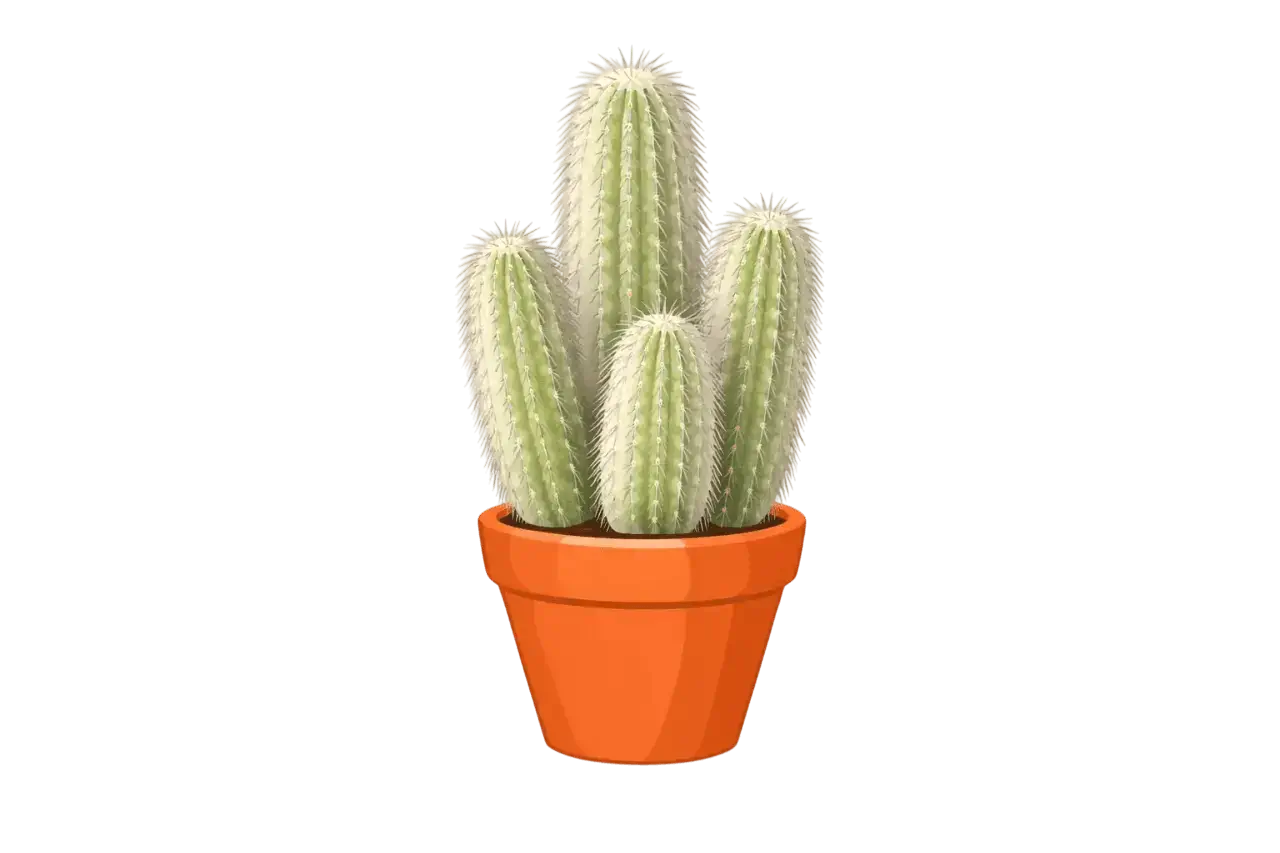
The mutation itself is the knobbly, ribless surface. Arizona describes knobby, tubercle-like swellings along the trunk where the straight species would carry ribs and spines, and the practical consequence is a large cactus you can put a hand on. That is rare enough to be the main reason people buy it, and it makes the plant a different proposition altogether from an old man cactus or anything else of comparable size.
Size is worth planning for. Arizona gives 11 to 15 feet tall and 6 to 10 feet wide for a mature outdoor specimen, and while a pot indoors keeps it to a few feet for many years, the growth is upward and the plant gets top-heavy and awkward to move long before it gets large. The compensation is speed, or the lack of it: a few inches a year is a realistic expectation indoors.
One correction to the care advice that circulates, including on the earlier version of this page. The totem pole does not want bright indirect light. Arizona is explicit that it needs as much full sun and direct light as possible and that it suffers under partial shade. It is a Baja desert plant and it behaves like one, which puts it at the opposite end of the range from most of the houseplants it gets grouped with.
Quick Info
- LightBright
- WaterLow
- Size2-6 feet indoors, 11-15 feet outdoors
- HumidityLow
- TempAbove 50°F (10°C) indoors; hardy to about 20°F
- FloweringYes
- TypeCactus
- Dog SafeYes
- Cat SafeYes
- Kid SafeYes
Is Totem Pole Cactus Toxic to Pets?
Pets: No toxic principle is recorded for Pachycereus, and the monstrose form is effectively spineless, so this is one of the very few large cacti with neither a chemical nor a mechanical hazard. I could not find an ASPCA entry for it, so the rating rests on nothing having been reported.
Kids: Spineless and not recorded as poisonous, which makes it an unusually safe choice for a big architectural cactus in a house with children.

Totem Pole Cactus Care Guide
Light, and It Wants Full Sun
As much direct sun as you can give it. Arizona’s wording is that the plant wants as much full sun and direct light as possible and that it suffers in partial shade. That is a stronger requirement than almost any other plant on this site. A south or west window with nothing filtering it is the target, and outdoors in summer is better still if your climate allows.
A north-facing room will not do. In insufficient light the growth narrows and pales, the plant leans, and the knobbly character that makes the form worth growing becomes less pronounced on the new growth. A grow light is the only real workaround, and it needs to be a serious one running long hours, not a decorative bulb. Acclimatise gradually when you increase light, since even a sun-loving cactus scorches if it has been grown soft.
Watering, and the Winter Cut
Arizona rates the water use as low and gives a figure for established plants in the ground: irrigation every two to three weeks in summer. In a pot indoors the principle is the same but the interval shifts with the container, so water thoroughly and then wait until the mix is dry right through. Our succulent watering calculator works out a figure in days from the container, the season and the light it gets.
Winter is the dangerous season and the reason is arithmetic rather than biology. The plant stops using water while the pot keeps holding it, so a summer schedule carried into December leaves the base standing wet for weeks. Cut back hard from autumn and, in a cool room, stop. If the base has already softened, recovering an overwatered plant is where to start, though a columnar cactus rotting from the bottom is often past saving.
Soil, Pots and Repotting
Arizona specifies porous, rich, sandy or gravelly soil at a pH between 6.1 and 7.8, and insists on good drainage. A bagged cactus and succulent mix with extra grit or pumice stirred through hits that description, and the extra grit matters because most bagged mixes hold more water than a desert species wants.
Think about the pot as structure, not just drainage. A tall cactus is top-heavy, and a heavy terracotta pot both sheds moisture through its walls and stops the plant going over. A toppled specimen usually snaps at a weak point in the column, and the break does not heal invisibly.
Every few years, in spring, going up one pot size. The trigger is usually stability and not root space: once the plant is tall enough to be unsteady in its current pot, a wider and heavier container is worth the disturbance even if the roots have room.
Let it sit dry for a week or two after repotting before watering, so cut root tips can seal. This is a heavy, awkward plant to handle once it is over three feet, and the spinelessness is a real advantage here, since you can hold the column directly instead of wrestling it with newspaper and tongs.
Fertilizing
A cactus and succulent fertilizer at label strength, twice at most between spring and late summer. Nothing from autumn onward. Arizona describes the preferred soil as rich, so this is not a plant that resents feeding, but it is slow enough that it cannot use much at a time.
Overfeeding a columnar cactus produces soft, pale growth that is wider than the section below it, and that mismatch stays in the silhouette permanently. Steady modest feeding gives you an even column; heavy feeding gives you a plant with a waist.
Cold Tolerance
Indoors, keep it above 50°F and out of cold draughts. Outdoors, Arizona rates the form hardy in USDA zones 9a to 10a, tolerating temperatures down to about 20°F, with an important caveat attached: the monstrose form is less frost tolerant than the straight species and should be covered or brought indoors through the colder months.
That caveat is the part worth remembering if you move the plant outside for summer. The ribless, knobbly tissue appears to be more vulnerable to cold damage than the normal form, so a plant that summers on a patio needs bringing in earlier than its hardiness rating alone would suggest.
Humidity and Dusting
Humidity is a non-issue. This is a desert plant from an arid part of Baja California, and no source sets a humidity figure for it. Ordinary indoor air, however dry, is well within what it handles. Skip misting entirely. On a knobbly column the water collects in the depressions between swellings and sits there against growing tissue, doing the opposite of helping. Dust can come off with a soft dry brush or a cloth, and because the plant is spineless you can do that without any protection.
Cutting and Handling a Spineless Column
Cut only to propagate or to remove damage. A column can be cut cleanly across with a sterile blade and both halves will usually survive, with the top becoming a cutting and the base branching from below the cut. The fairy castle cactus responds the same way, since both are columnar cacti that branch after topping.
Handling needs no protection, and that is the whole selling point. The monstrose form is effectively spineless, so you can steady it, dust it and repot it bare-handed. Scars from knocks and old damage do not fade, so the one thing worth protecting is the plant, not yourself.
How to Propagate a Totem Pole Cactus
Stem cuttings only. Arizona states that because the monstrose form produces sterile flowers, the only method of propagation is through woody or softwood stem cuttings. There is no seed route at all, even if your plant flowers. Every totem pole cactus in the trade therefore traces back by cutting to the original Baja population.
Take the cutting in spring or early summer with a sterile blade, cutting straight across the column. A longer cutting has more reserves and roots more reliably, so a foot or so beats a few inches. The parent will branch from below the cut, so one plant becomes several and a leggy specimen gets rejuvenated at the same time.
Callusing is the step that decides whether this works. Stand the cutting upright somewhere dry, warm and bright but out of direct sun, and leave it for one to several weeks until the cut face has dried to a firm pale scab.
The bigger the diameter, the longer it needs. A cut this size pushed straight into damp compost will rot rather than root.
Pot the callused cutting upright in gritty mix, barely damp, with support if it will not stand on its own; a cane or a few stones around the base is enough. Rooting hormone is optional. Water sparingly until a gentle tug meets resistance, then treat it as a normal plant. Expect weeks to months, and keep it warm throughout.
Common Totem Pole Cactus Problems
A soft, dark base with the column losing rigidity is rot, almost always from watering through a cool spell. It travels upward from the roots, so by the time the surface shows it the lower section is usually gone. Cut well above the damage into firm tissue, let the cutting callus, and start again. Overwatering recovery covers the diagnosis.
Wrinkled or shrivelled sections with firm tissue are thirsty, not rotting, and respond to a thorough soak within days. The distinction is firmness: a shrunken but hard column needs water, and a soft one needs the knife.
Narrow, pale new growth at the top of an otherwise sound plant means not enough light. Arizona is clear that this species suffers in partial shade and wants as much direct sun as possible, so this is the most likely fault indoors by a wide margin. When growth really has stopped covers the other possibilities.
Yellowing or bleached patches on one side are scorch following a sudden increase in light, which can happen even on a sun-loving cactus moved straight from a shop. Introduce stronger light over several weeks. The marks stay.
Cold damage shows as soft, discoloured patches appearing after a cold snap, not during it. Arizona notes the monstrose form is less frost tolerant than the straight species, so a plant summered outdoors needs bringing in before the first properly cold night.
Slow growth is the species and not a problem. A few inches a year indoors is normal for a cactus this size, and the plants sold at two or three feet are already several years old.
Flowers appearing and then dropping without fruit is exactly what should happen. Arizona records that the monstrose form produces sterile flowers, so there is no fruit or seed to come and nothing has gone wrong. The blooms are pink and summer-borne, and very rare on indoor plants.
FAQs
Effectively yes, and it is the main reason to grow it. The University of Arizona arboretum describes the monstrose form as carrying knobby, tubercle-like swellings along the trunk where the straight species has ribs and spines. You can steady it, dust it and repot it bare-handed, unusual for a cactus of this size and a sensible choice around children.
Because the flowers are sterile. Arizona records that the monstrose form produces sterile flowers, so no fruit or viable seed will follow no matter what pollinates them. Nothing has gone wrong with your plant. The blooms are pink, appear in summer, and are rare on indoor specimens in any case.
Direct sun, and plenty of it. Arizona says the plant wants as much full sun and direct light as possible and that it suffers under partial shade, which puts it at the far end of the range from most houseplants. A south or west window with nothing filtering the light is the target. The bright indirect advice that circulates for this plant, including on an earlier version of this page, is wrong.
Arizona rates it hardy in USDA zones 9a to 10a with tolerance down to about 20F, but attaches a warning worth heeding: the monstrose form is less frost tolerant than the straight species and should be covered or taken indoors through the colder months. Indoors, keep it above 50F and away from draughts. If it summers outside, bring it in earlier than the hardiness number alone suggests.
Slowly. A few inches a year is realistic indoors, so a plant sold at two or three feet already represents several years of growing. Arizona gives 11 to 15 feet tall and 6 to 10 feet wide for mature outdoor specimens. That is where decades and a frost-free climate take it, not something your pot will produce.
Cuttings, and only cuttings. Arizona states that the sterile flowers leave woody or softwood stem cuttings as the only propagation method. Cut the column across with a sterile blade in spring, taking a decent length and not a few inches, then stand the cutting dry and bright for one to several weeks until the cut face has callused to a firm pale scab before potting it into gritty mix. The parent branches from below the cut.
The monstrose form was found northeast of El Arco, around the midpoint of Baja California, on alluvial plains and in desert riparian habitat, according to the University of Arizona arboretum. The straight species, Pachycereus schottii, has a wider range across north-western Mexico and into the southwestern United States. The name Lophocereus schottii that you will see on labels is the former name for the same plant.
Light, in almost every case. A column that narrows as it grows is telling you it is not getting enough, and for this species that means not enough direct sun specifically. The narrowed section will not thicken up again, so the fix is judged on what comes after it: move the plant to the sunniest position you have, or add a strong grow light running long hours.